The five S’s of sports training are: Stamina, Speed, Strength, Skill, and Spirit; but the greatest of these is Spirit.
– Ken Doherty
Dear Friend,
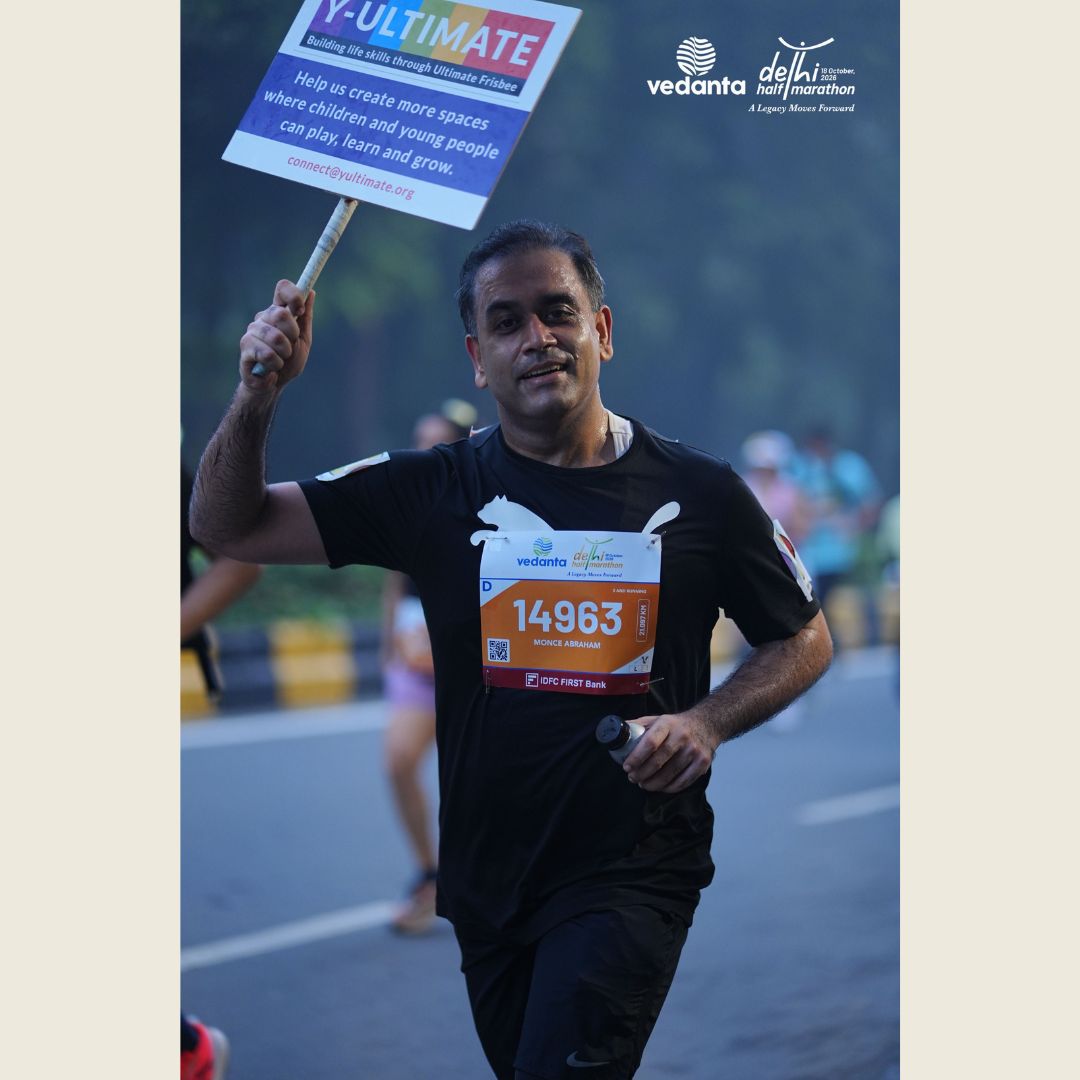
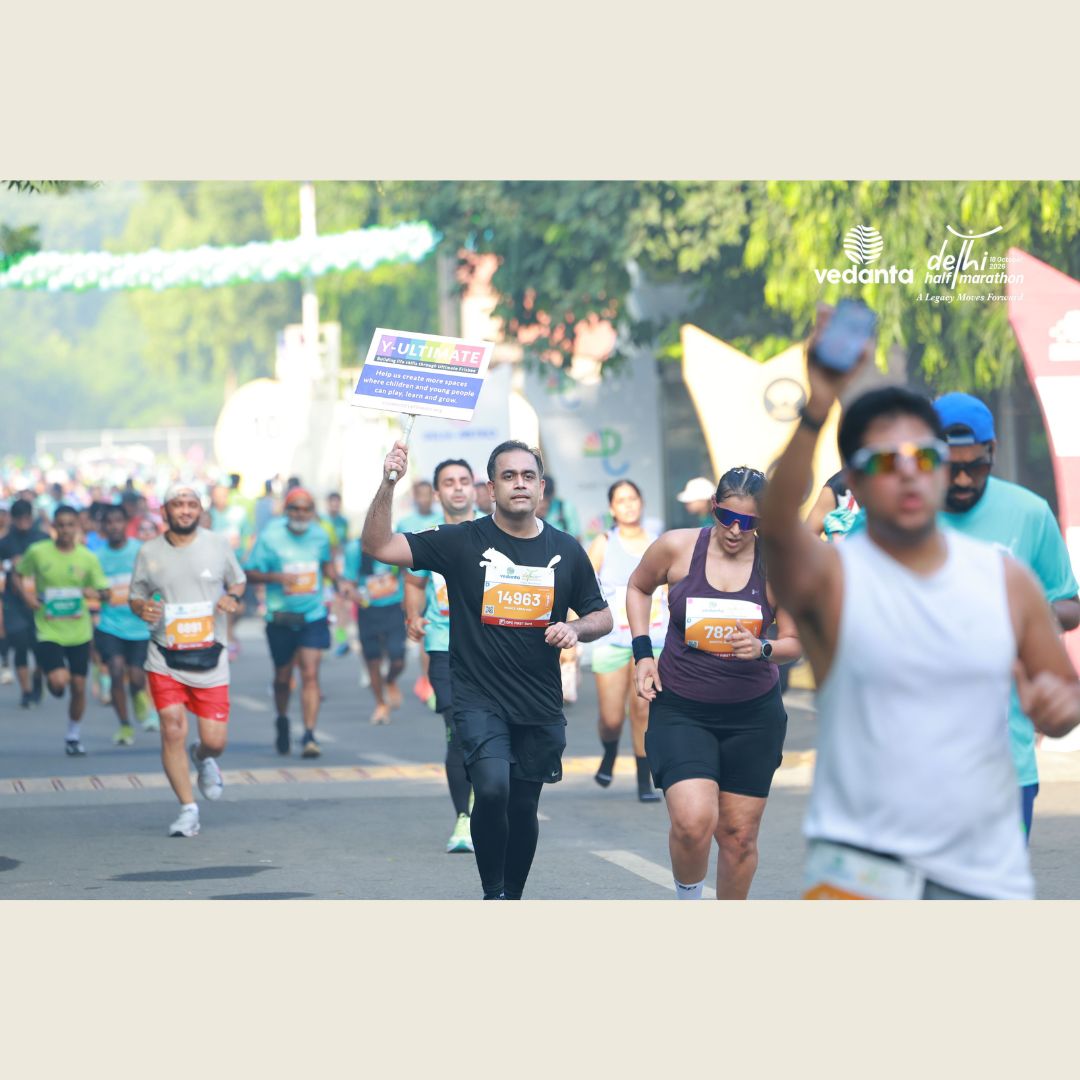
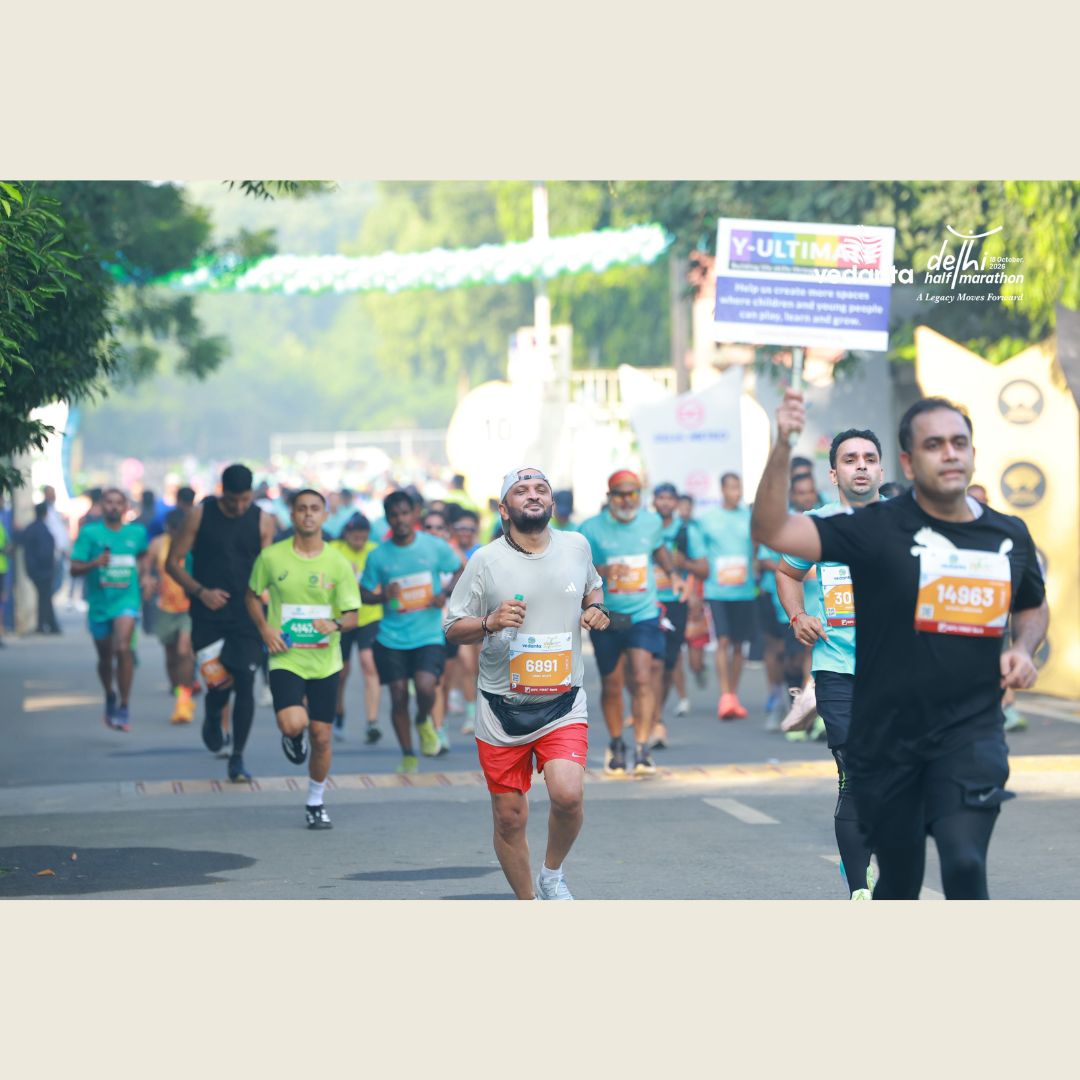
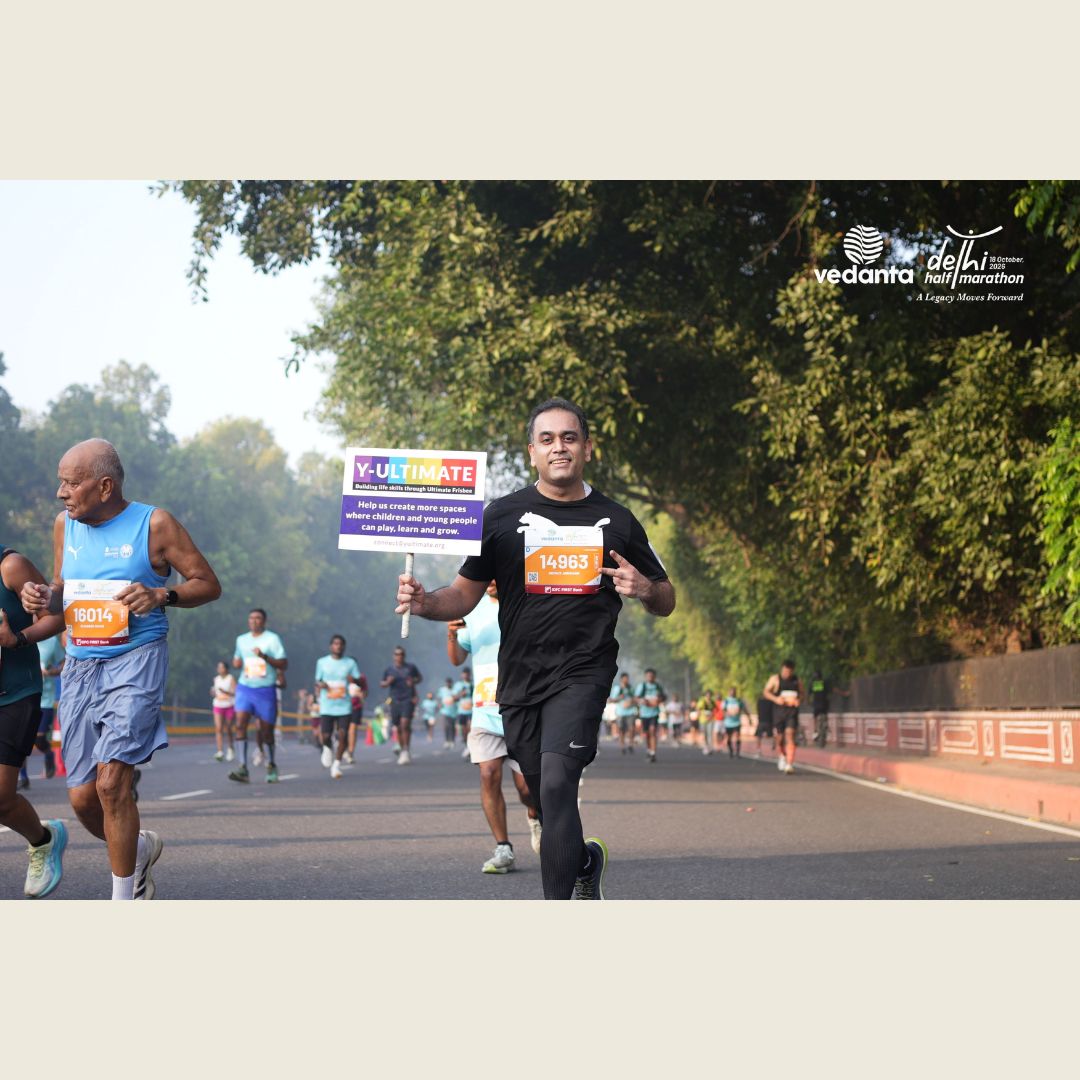
As every year, I will be running the 21.1 KM Half Marathon at the Vedanta Delhi Half Marathon (VDHM) on October 18th, representing and raising awareness for a trusted, genuine non-profit organization working with children and /or education. This year, I have chosen to run the 21.1 KM VDHM as an Ultimate Champion for Y-Ultimate.
We are also creating a Fundraiser for Y-Ultimate, the funds of which will be utilized towards the Y-Ultimate Invitational, their annual flagship youth tournament. Please do consider contributing, as well as spreading the word to your friends and colleagues, so together we can add more power to the work and programs underway for the youngsters at Y-Ultimate.
*About the Y-Ultimate Invitational
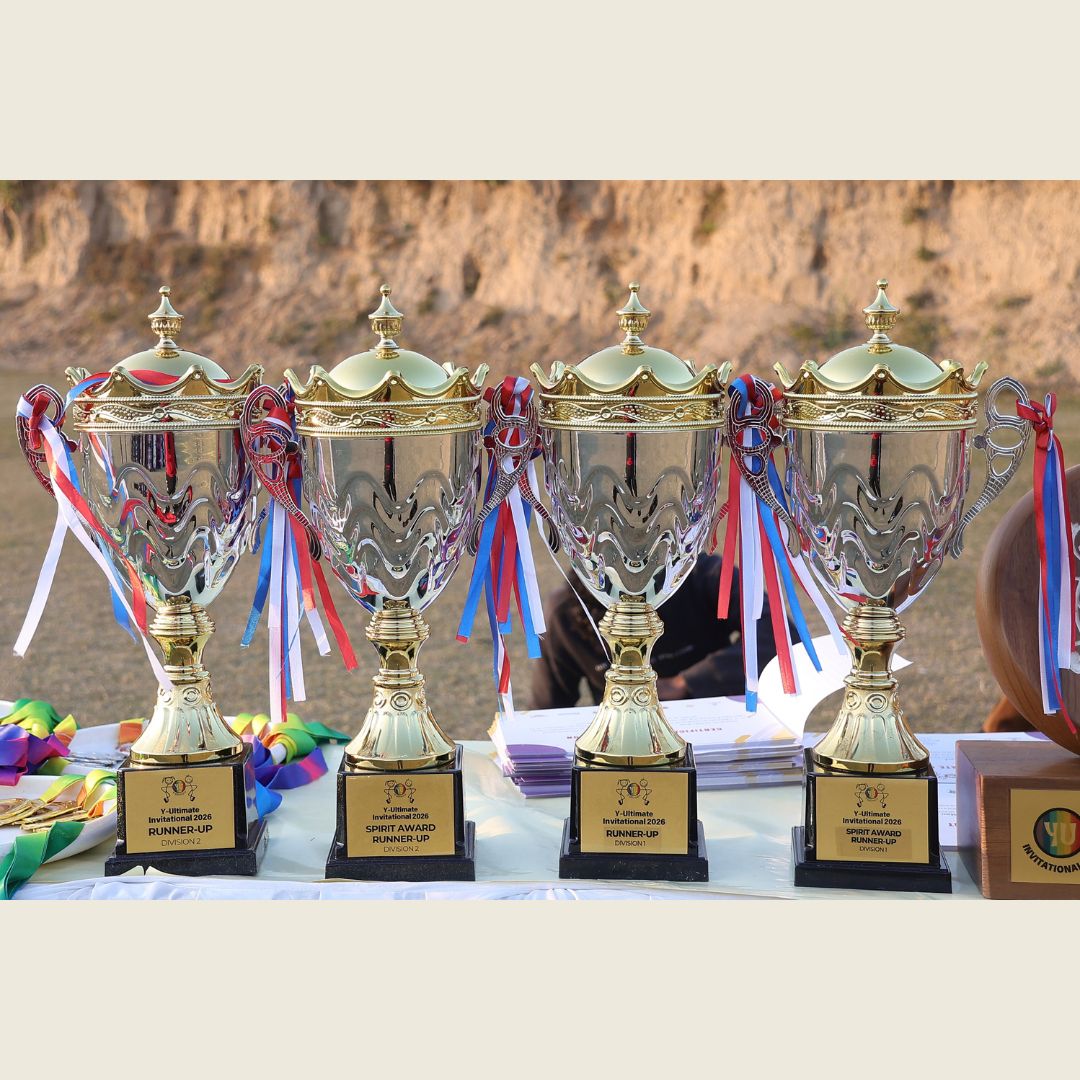
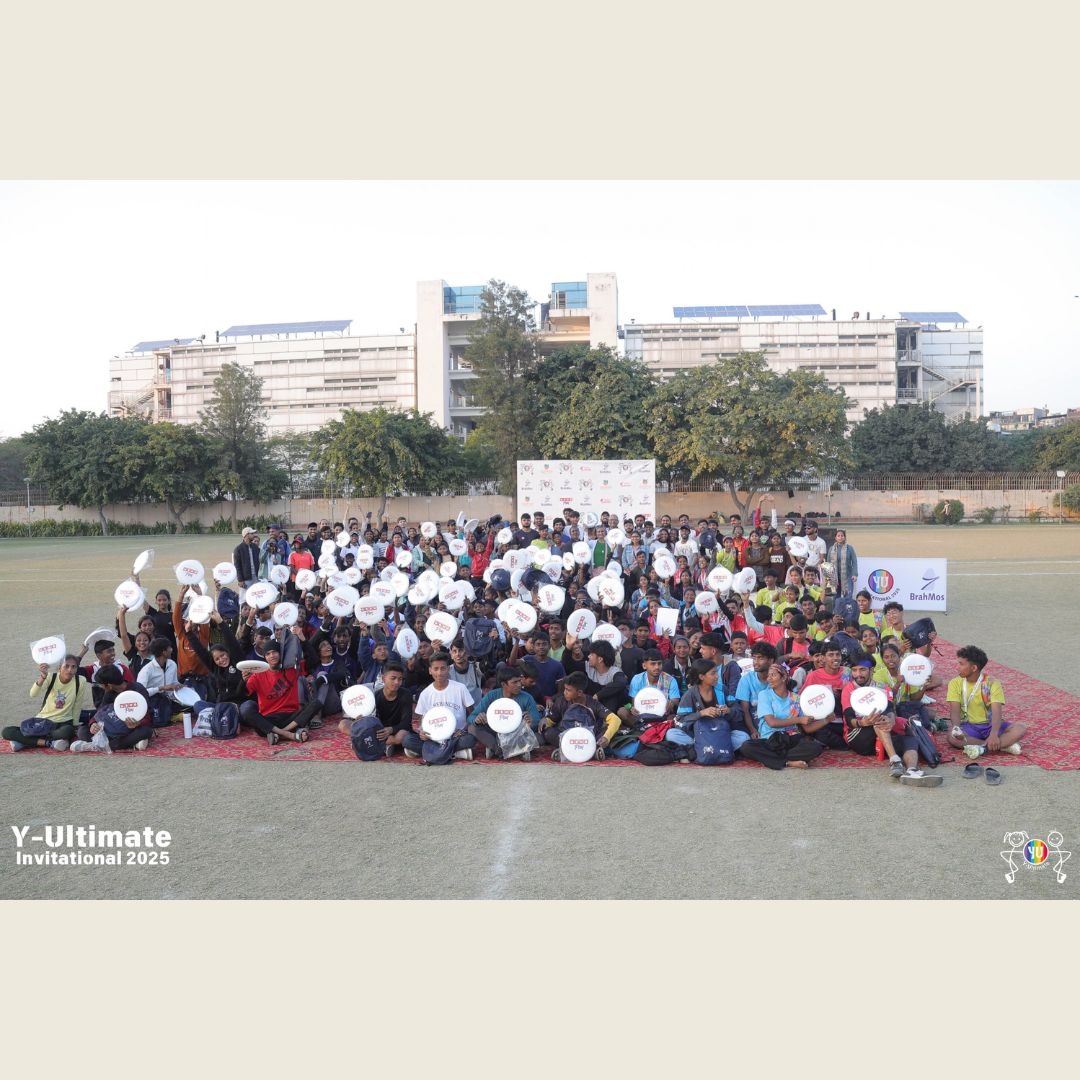
The Y-Ultimate Invitational is the annual flagship youth tournament, and the last edition brought together 240+ young players from 11 grassroots organisations (including Y-Ultimate) and 16 teams across India, with the support of 8 partners.
The tournament brings together grassroots organisations from across India that use Ultimate Frisbee as a tool for development. For many young people in underserved communities, chances to play competitive sport beyond their neighbourhood are rare, and for girls they are rarer still. The Invitational creates equitable, low-barrier access to sport. It gives young players the chance to travel, meet teams from other communities, and test themselves on a bigger stage, often for the first time.
The tournament is rooted in the Spirit of Ultimate. Games are mixed-gender and self-refereed, so boys and girls play and lead together as equals. Players call their own fouls, resolve disagreements through conversation, and end every game in a Spirit Circle with their opponents, building gender equity, teamwork and youth leadership on and off the field.
Here is the BBC News coverage of the young champions at Y-Ultimate:
More details for Y-Ultimate are shared below.
Let’s make this happen for the youngsters. Take care,
Best Regards, Monce
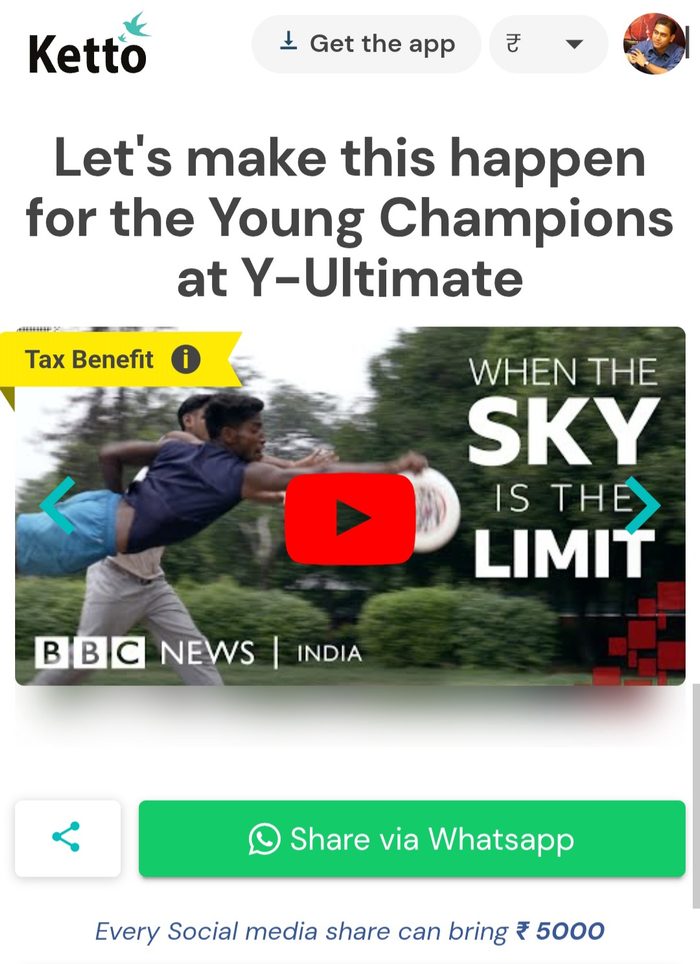
Click on the above image to contribute to the Ketto Fundraiser campaign for Y-Ultimate
Acknowledging and thanking our wonderful donors who added power to Y-Ultimate via this campaign:
- AJG (Donor has expressed the wish to remain anonymous)
- Rahul Amitesh
- P. Ravindran
—
More about Y-Ultimate
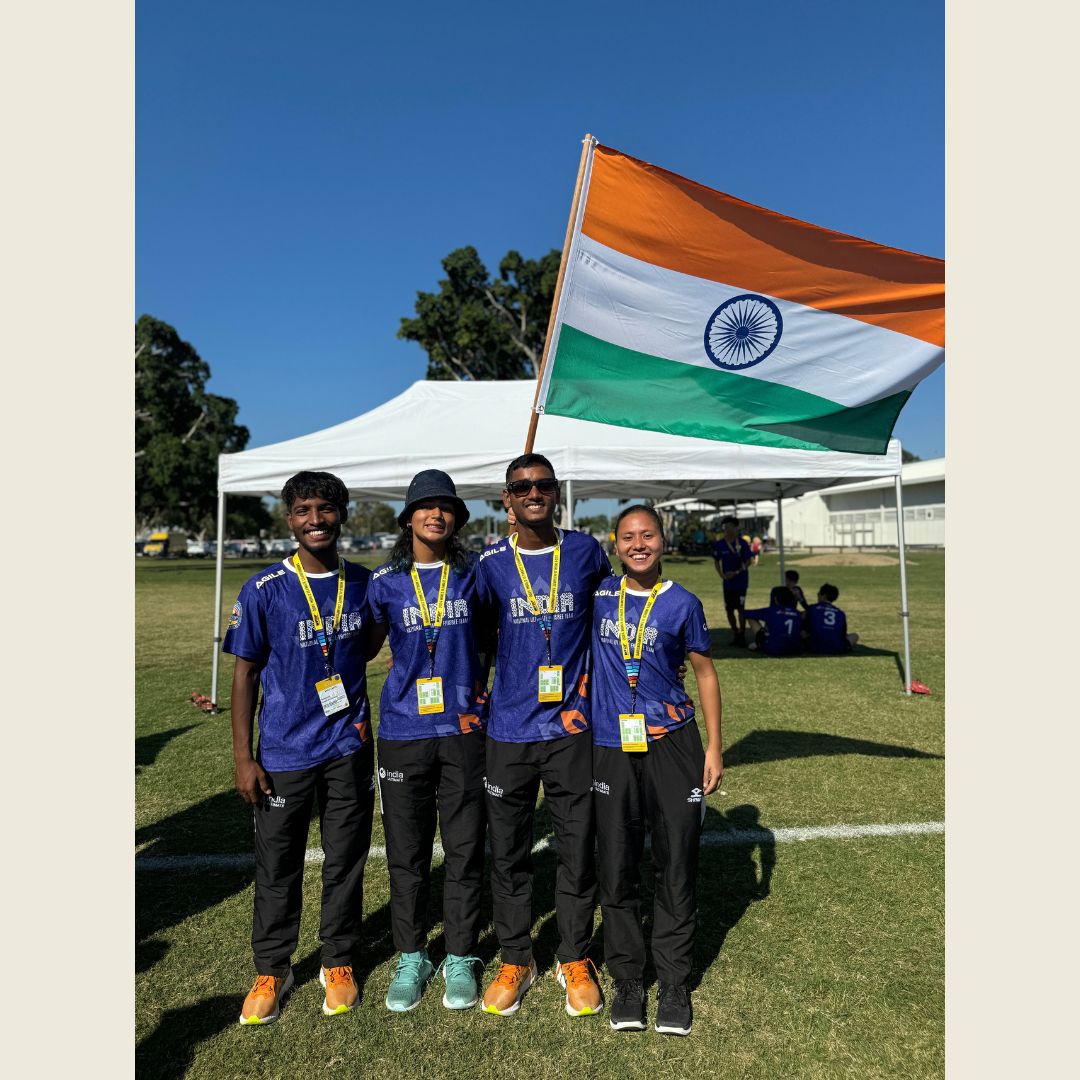
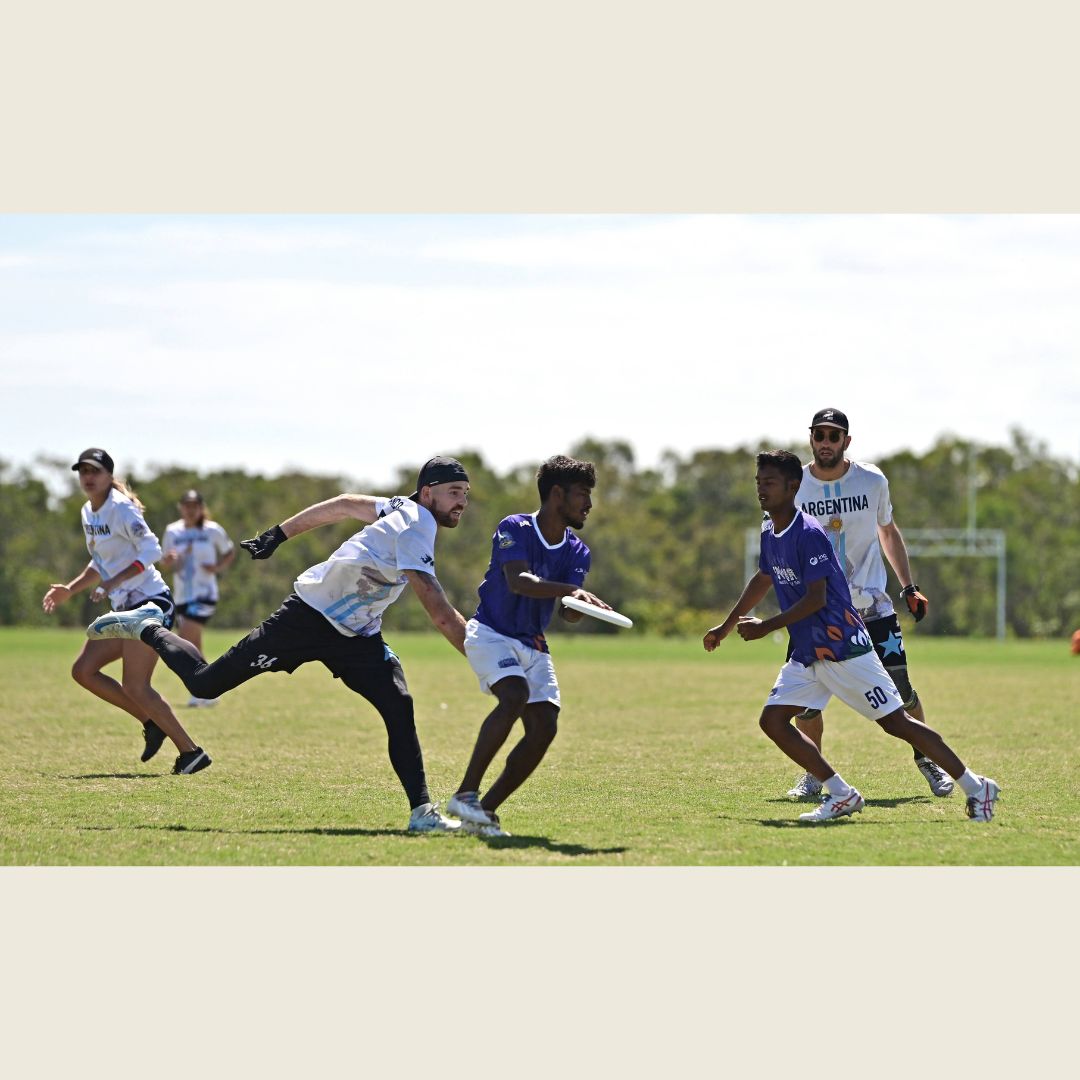
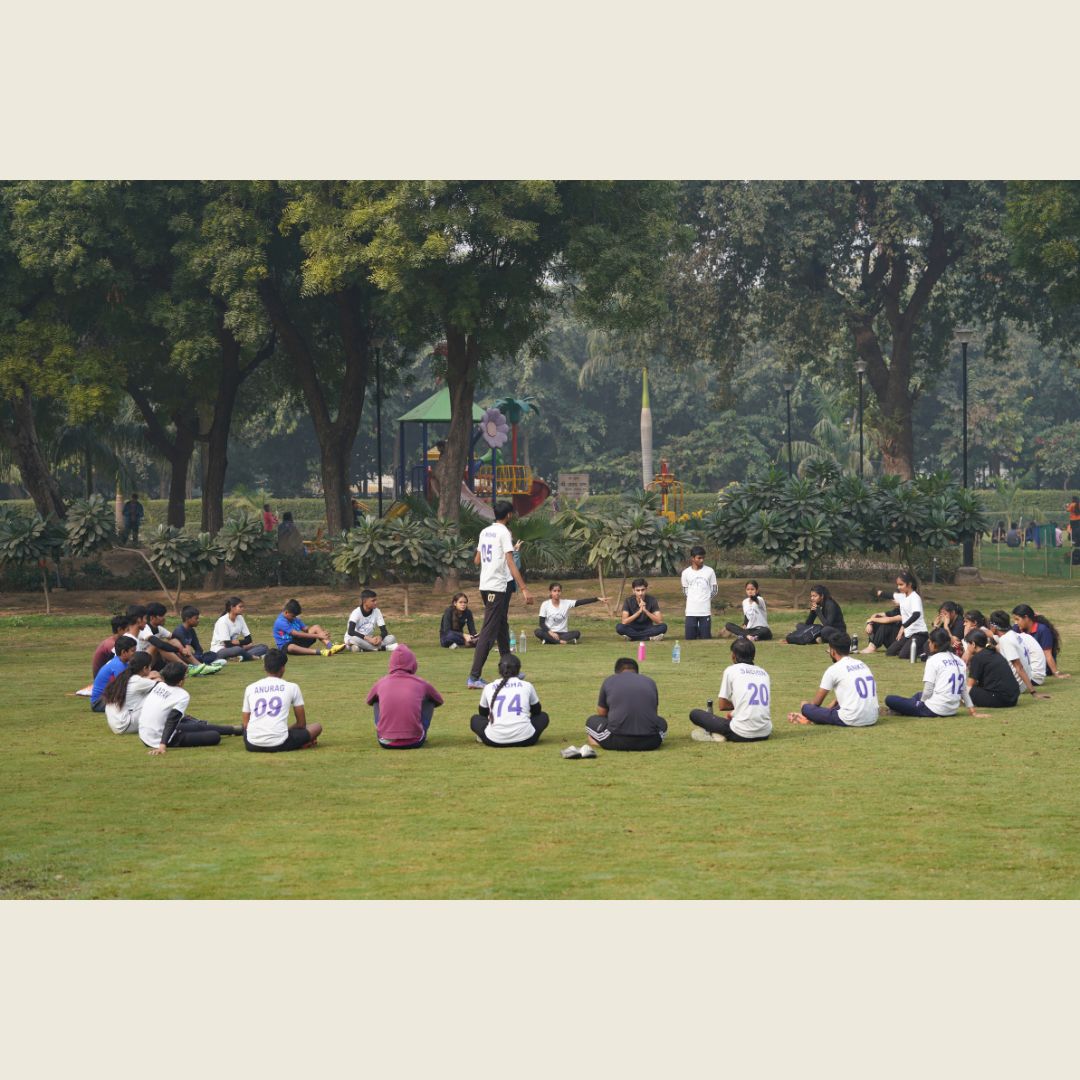
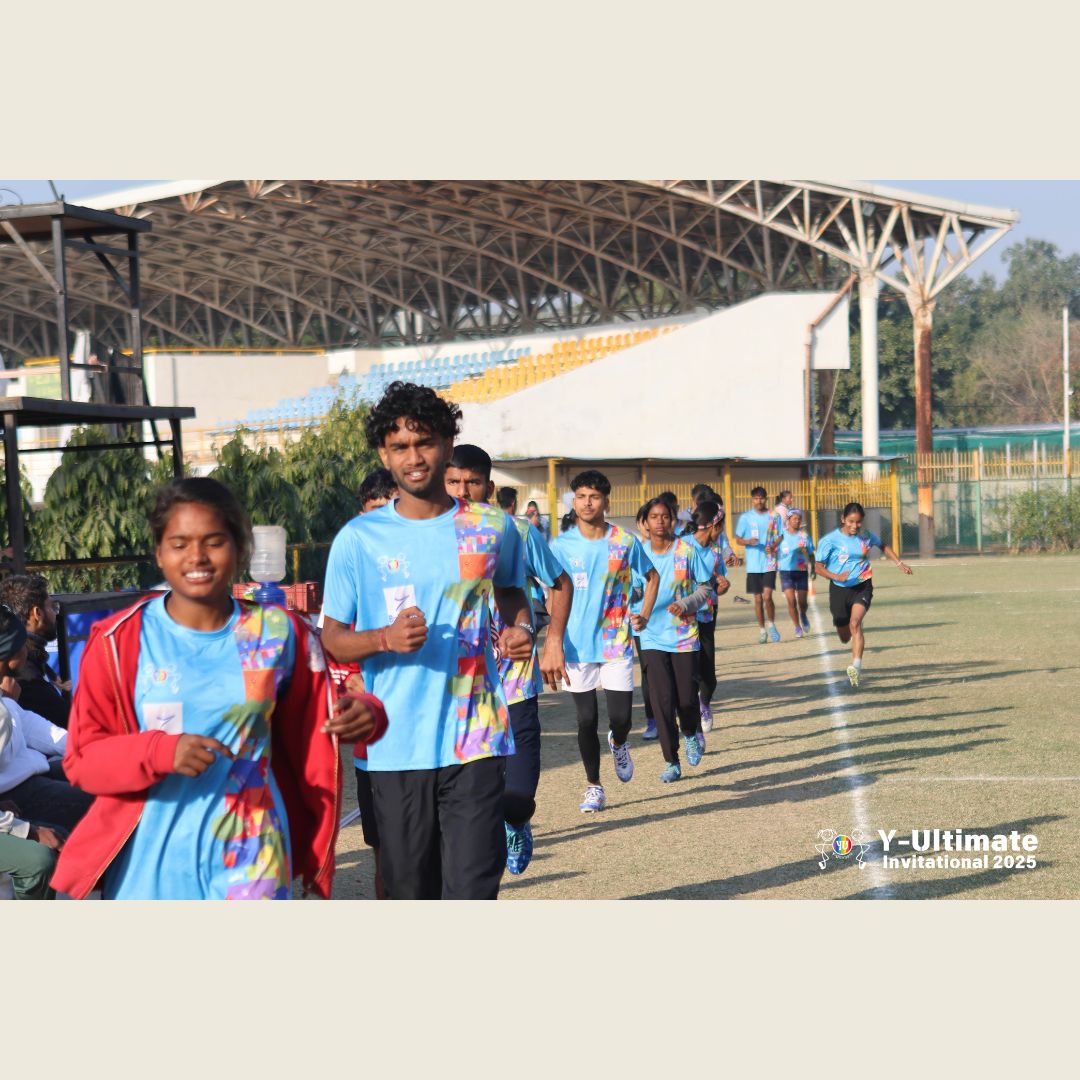
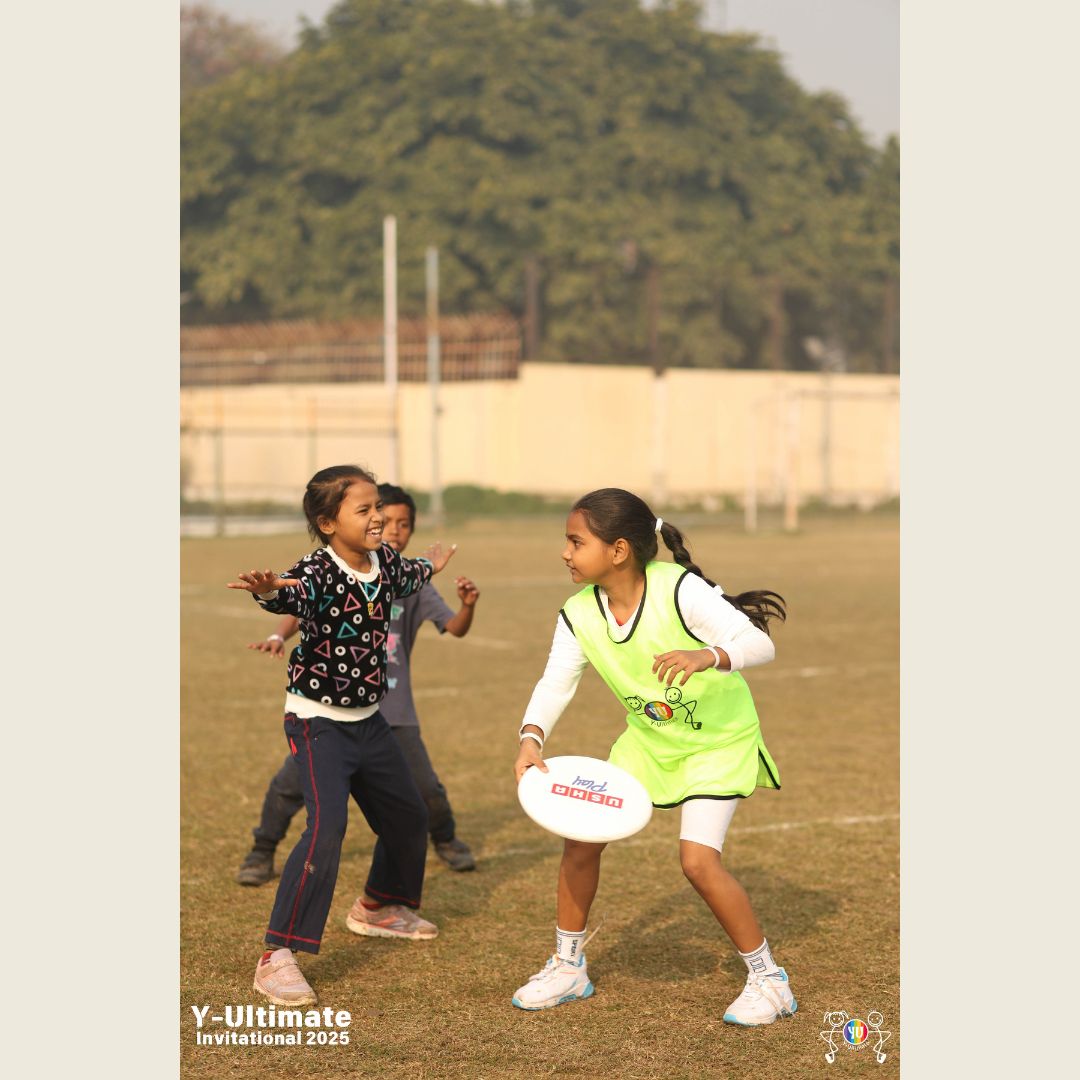
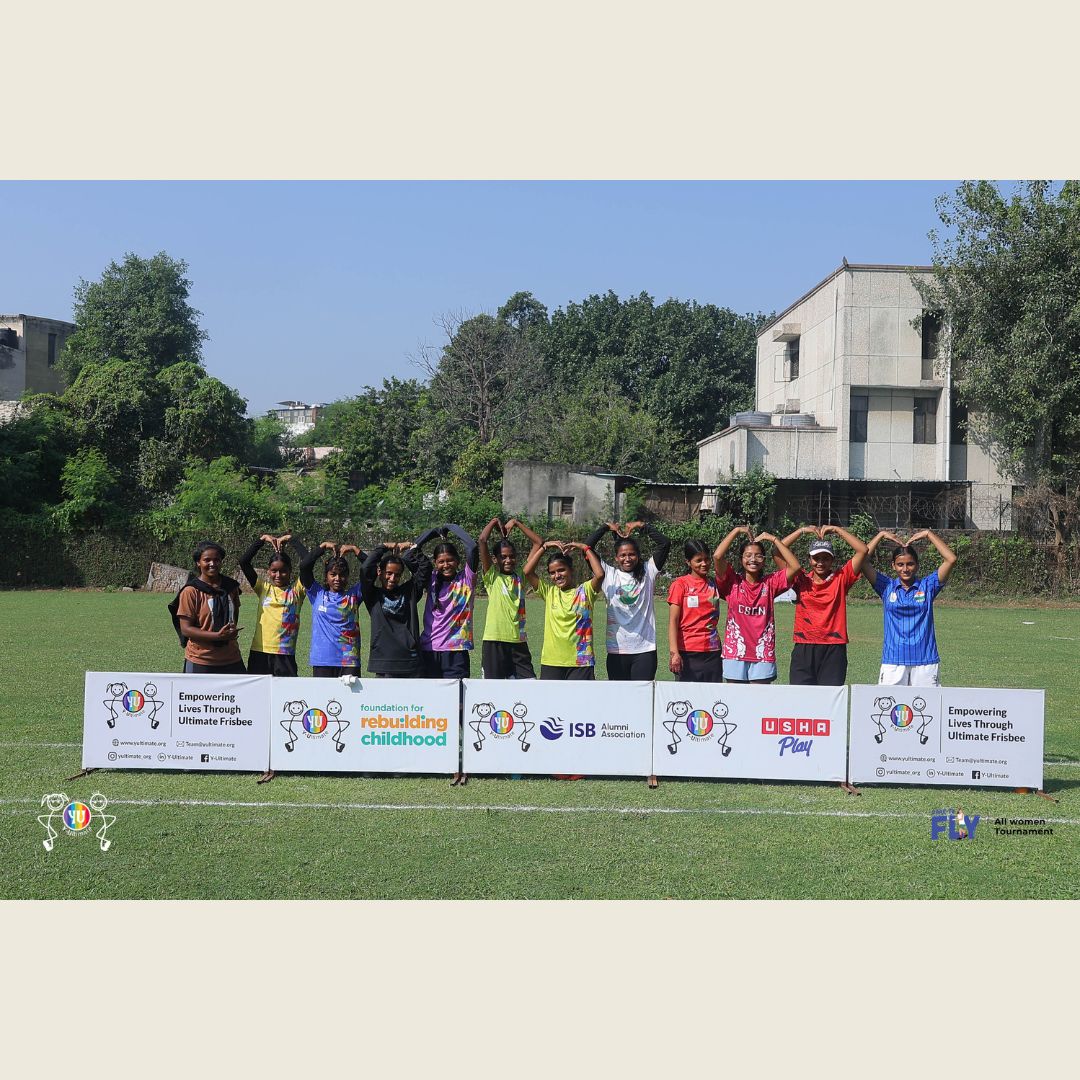
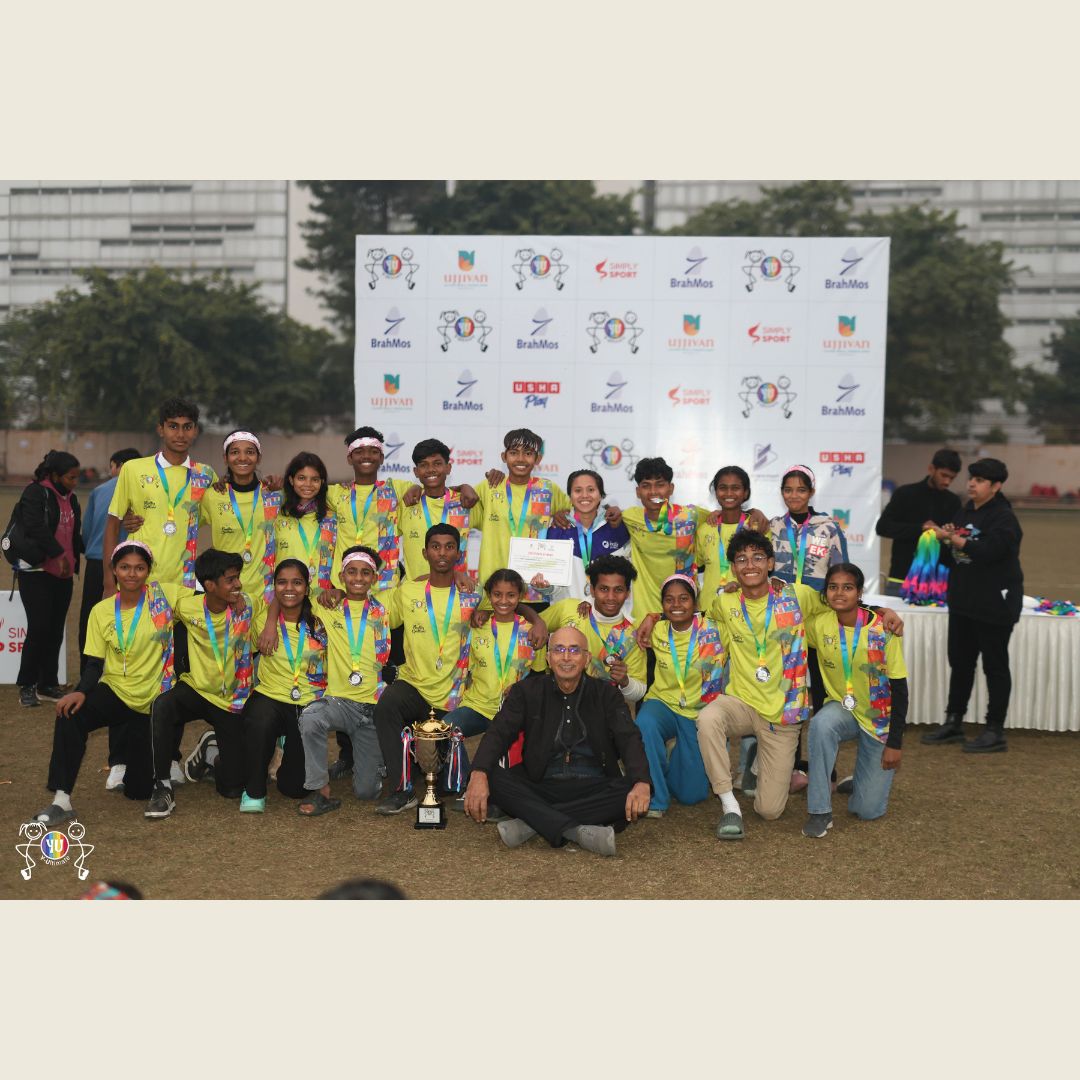
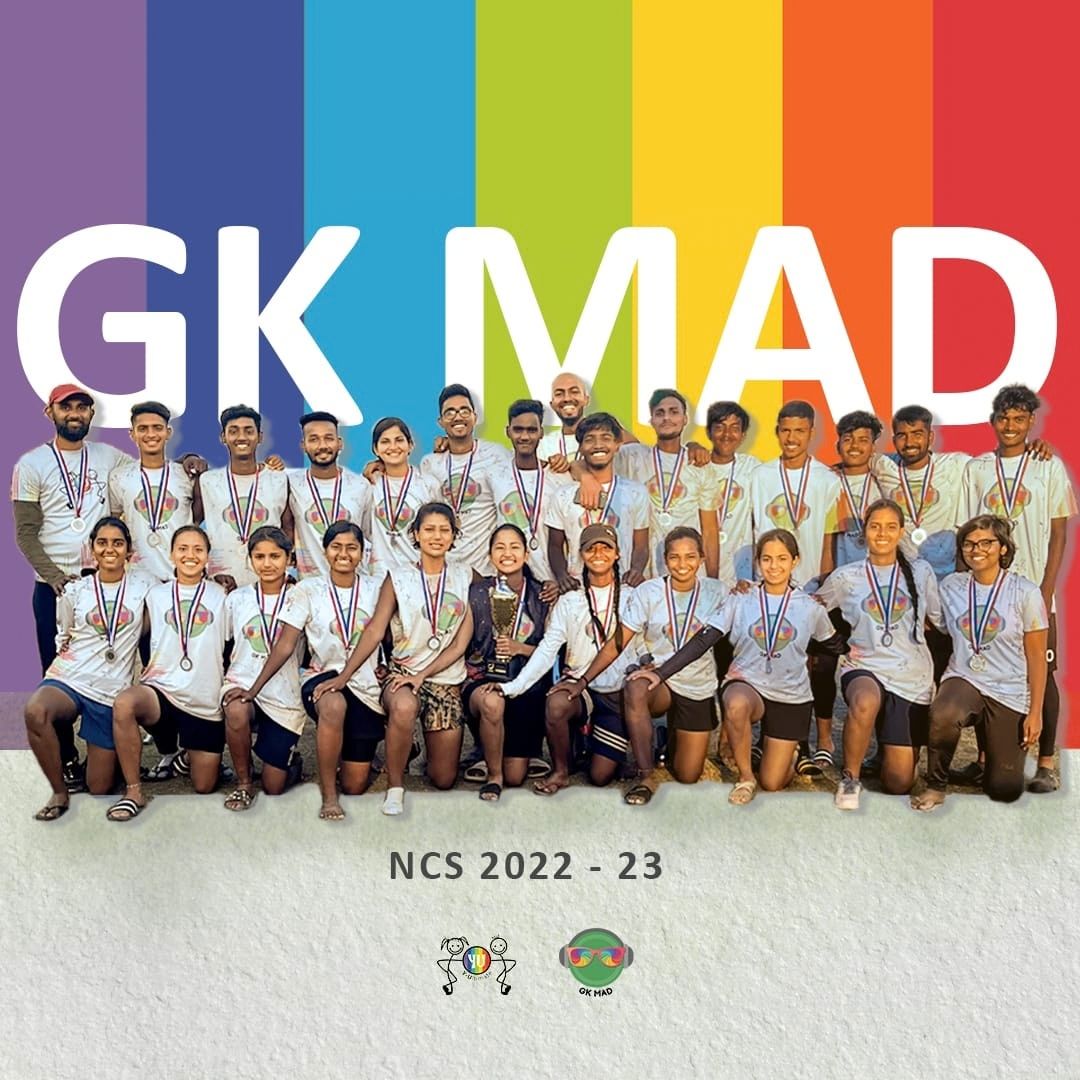
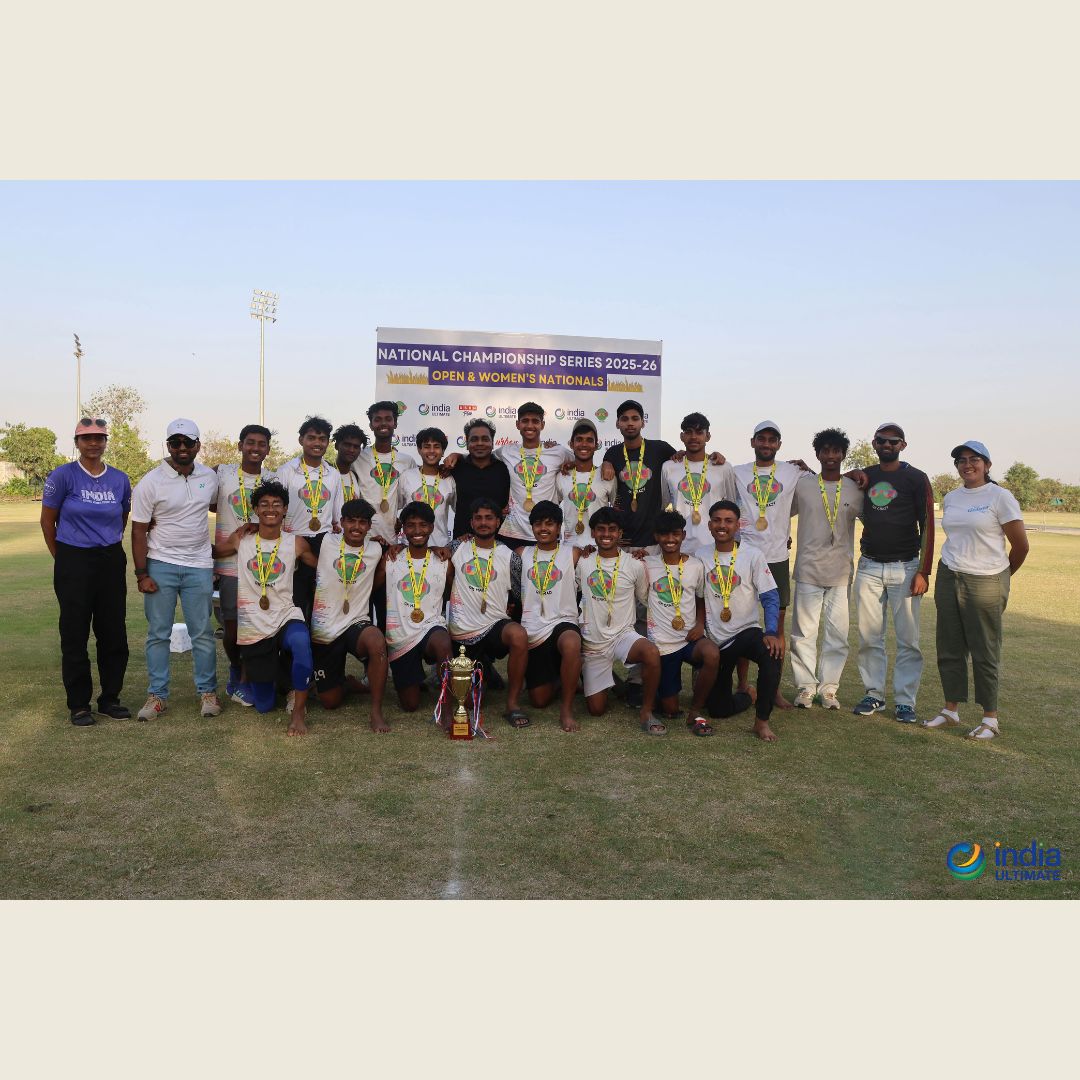
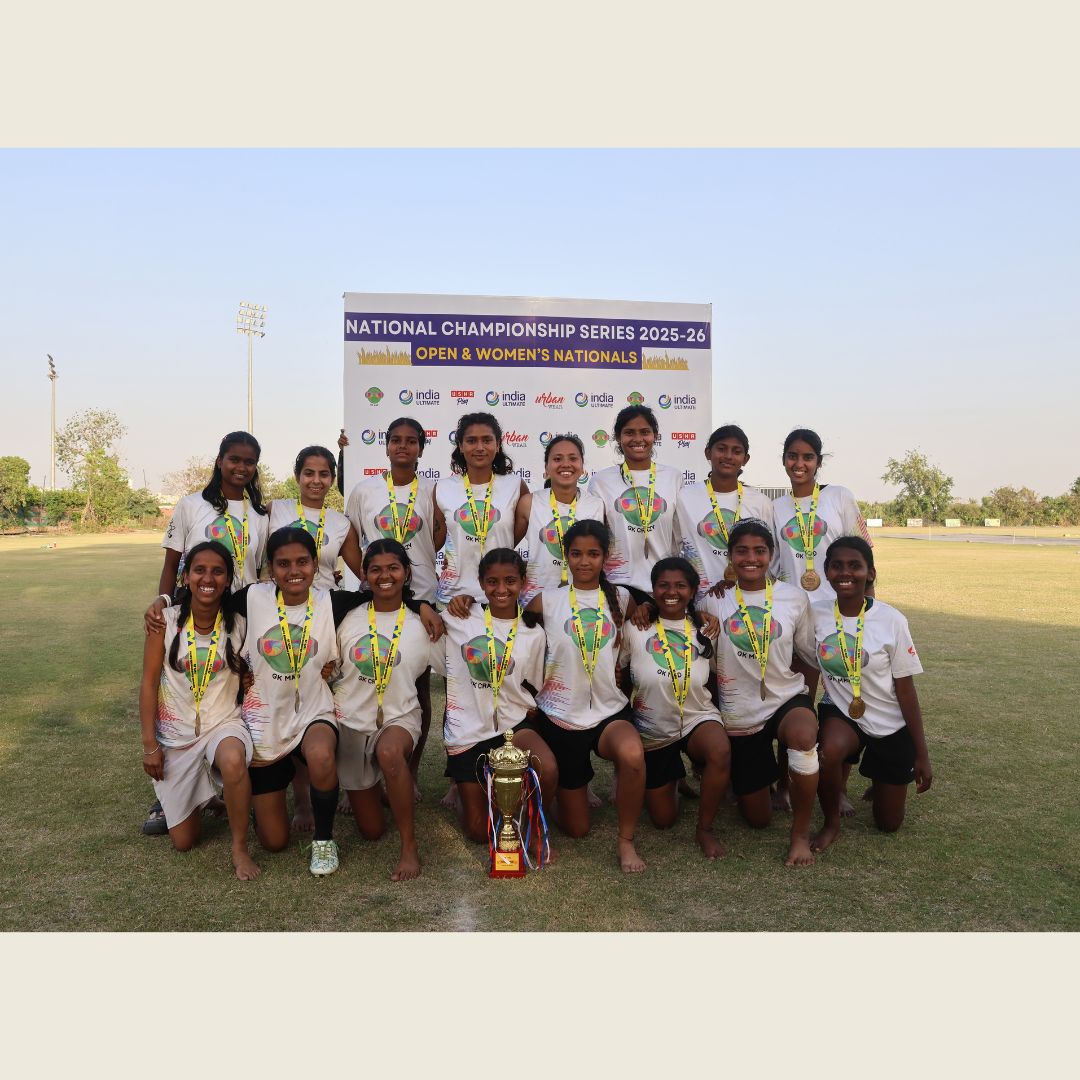
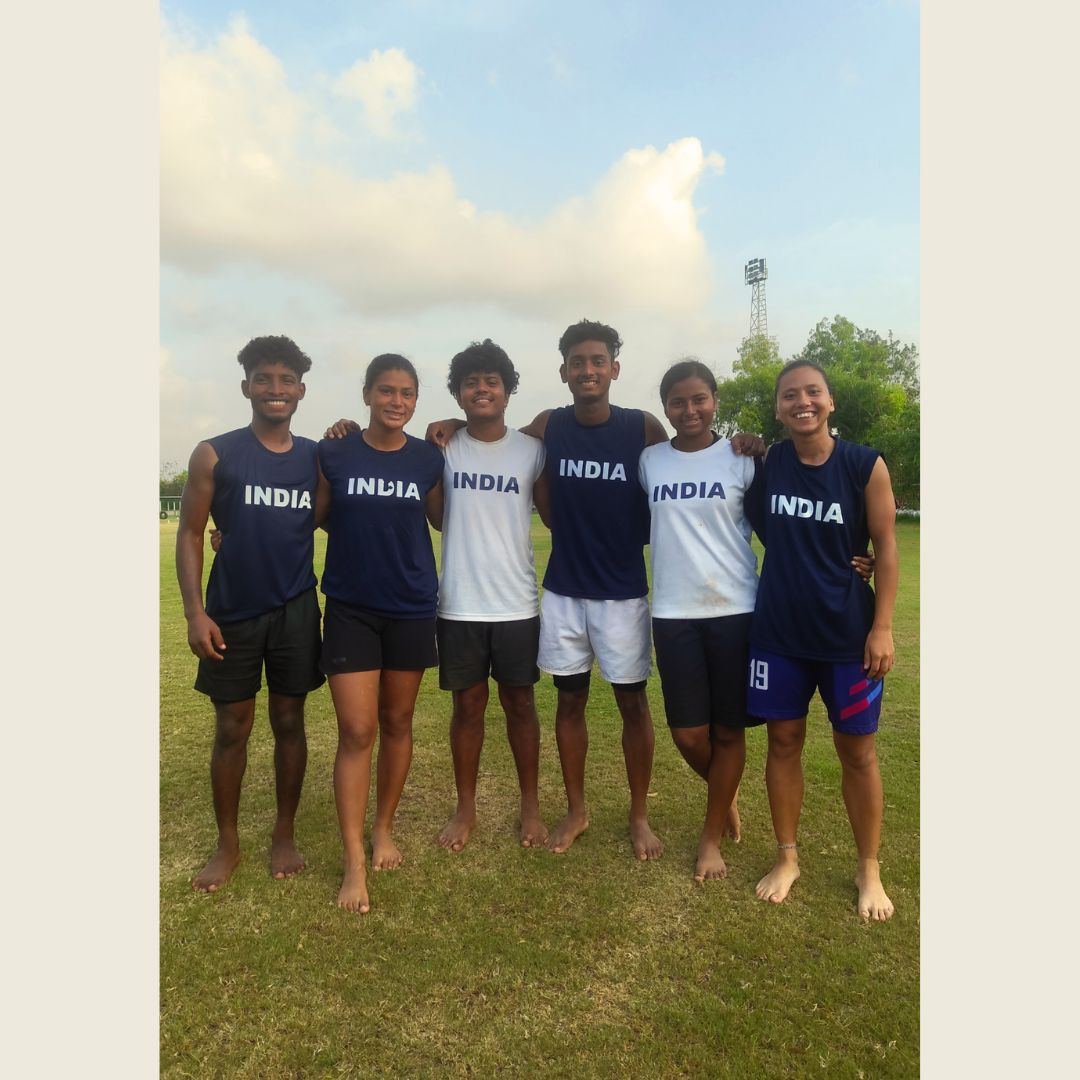
Y-Ultimate: Imparting life skills education to children, especially those from less privileged socio-economic backgrounds, through the sport of Ultimate Frisbee.
Established in 2019, Y-Ultimate is a non-profit that uses the sport of Ultimate Frisbee to teach life skills to children and youth, especially those from less privileged socio-economic backgrounds.
Since their inception in 2019 till March 2026, 7 of their players were selected for Indian teams across different international events, while 4 of them have travelled and represented India at international tournaments; they are currently active in 14 communities, 23 of their coaches have come through their own programs; they have reached 7,100+ young people; their GK MAD program has 58 players; they have conducted 4,893 sessions in schools and 3,028 sessions in communities; held 66 workshops across 17 states; 11 of their program participants have graduated from college, and 10 are currently enrolled.
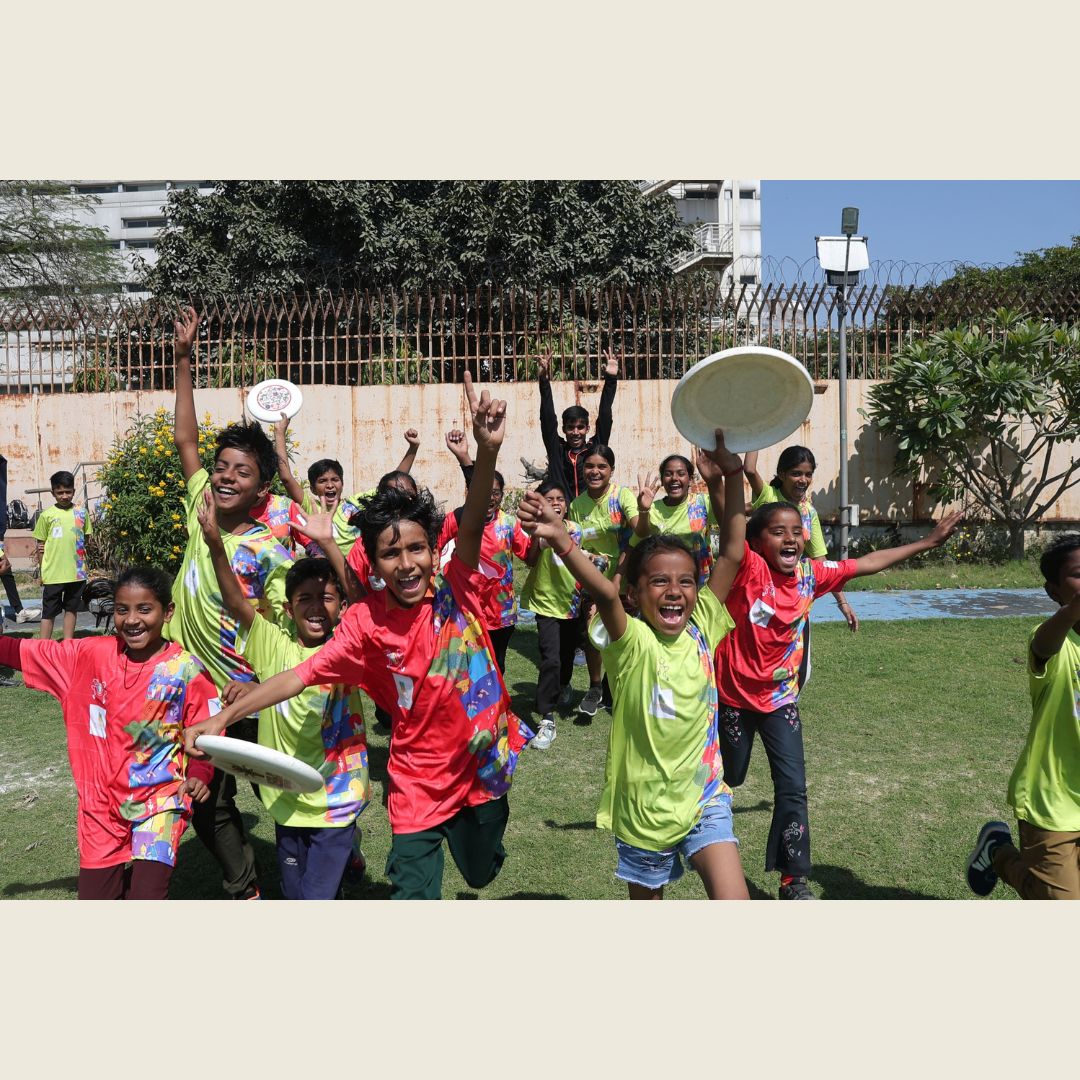
It all started informally with just 15 children on the grounds of Zamrudpur village in South Delhi. Today, they work across schools and communities, creating safe and inclusive spaces for children to play, especially girls, who often face barriers to playing sport in public.
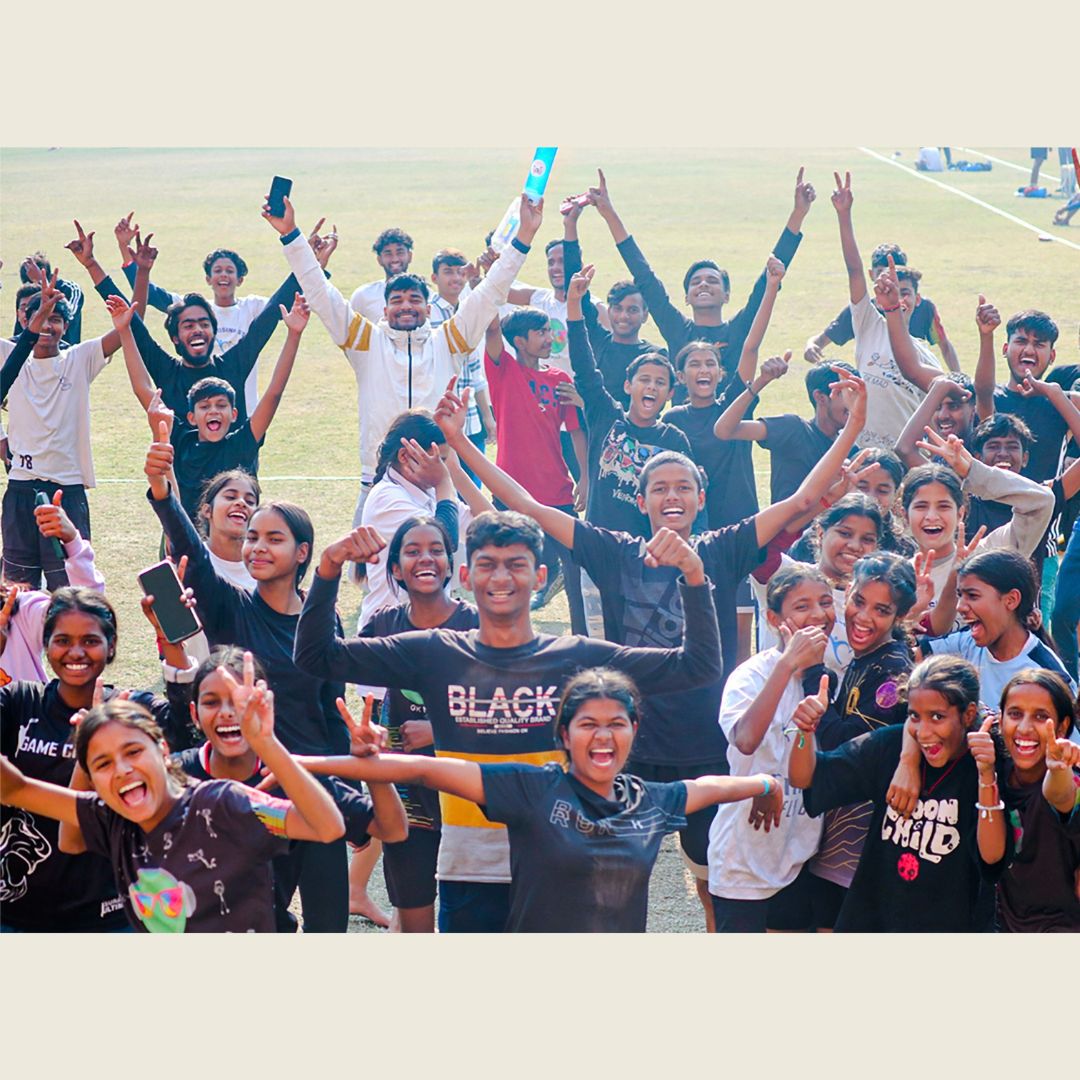
The youngsters choose Ultimate Frisbee because it is unlike most sports. It is non-contact, self-refereed, and mixed-gender. Players resolve disagreements themselves, communicate honestly, and play as equals; and because it is non-contact, it is a safe and comfortable space for boys and girls to play together. Every game ends with a Spirit Circle, where both teams come together to appreciate each other, reflect on how they played, and talk about how fairness and respect carry into everyday life.
Today, many of their former participants work with Y-Ultimate as coaches, youth coaches, designers, and in operations and finance. They chose to pass on the opportunity they once received to the next generation, so the change continues from within the community.
—-
Update on the Vedanta Delhi Half Marathon Effort
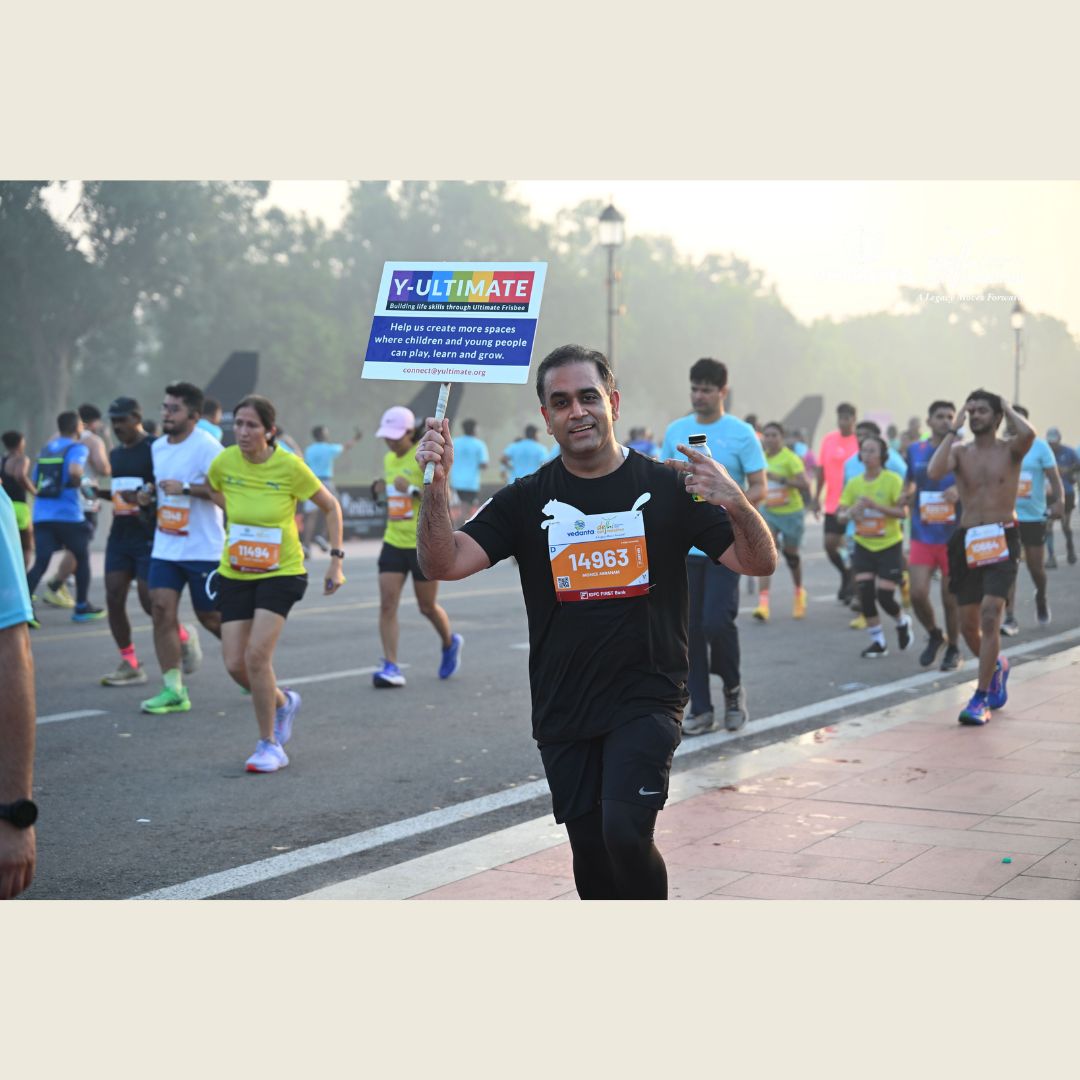
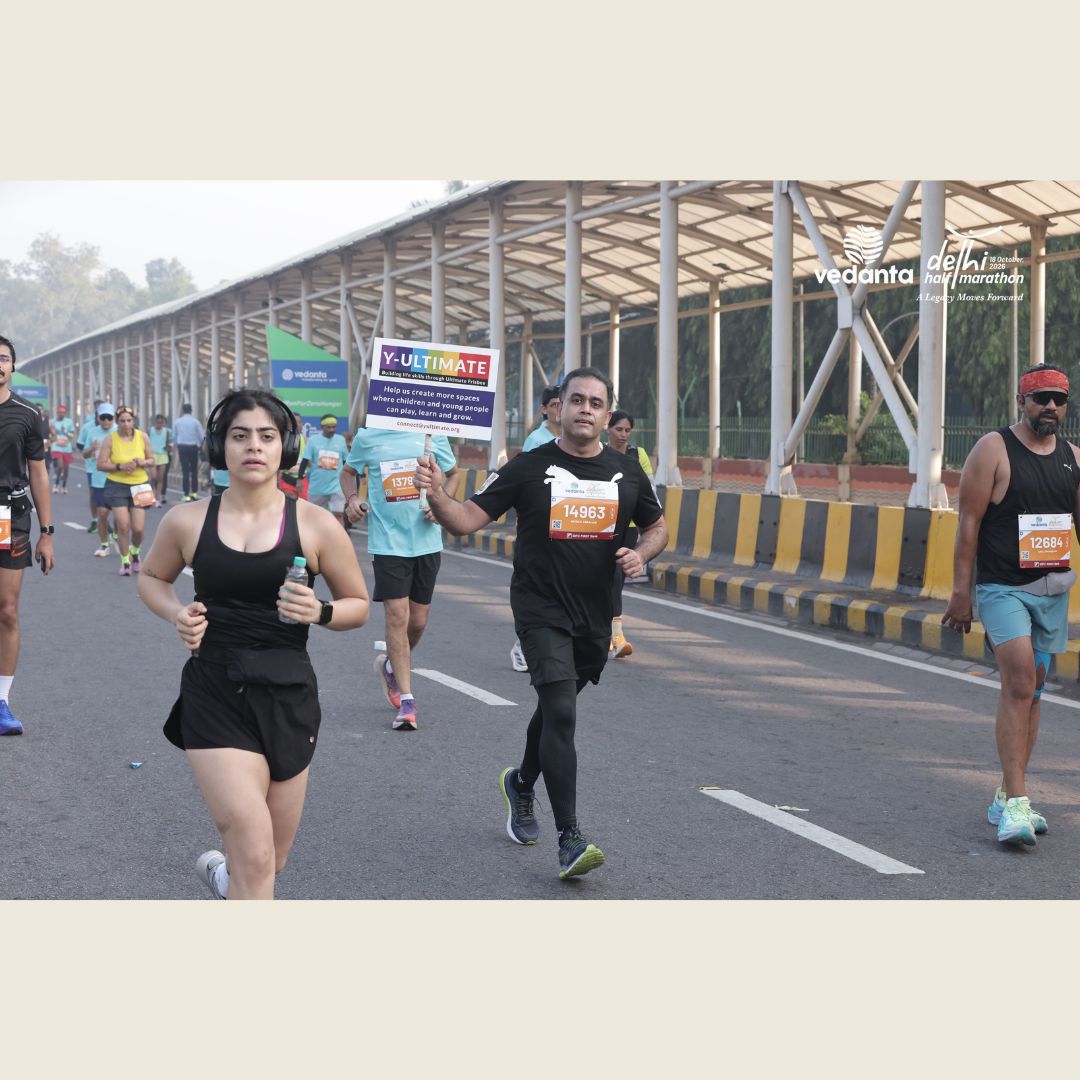
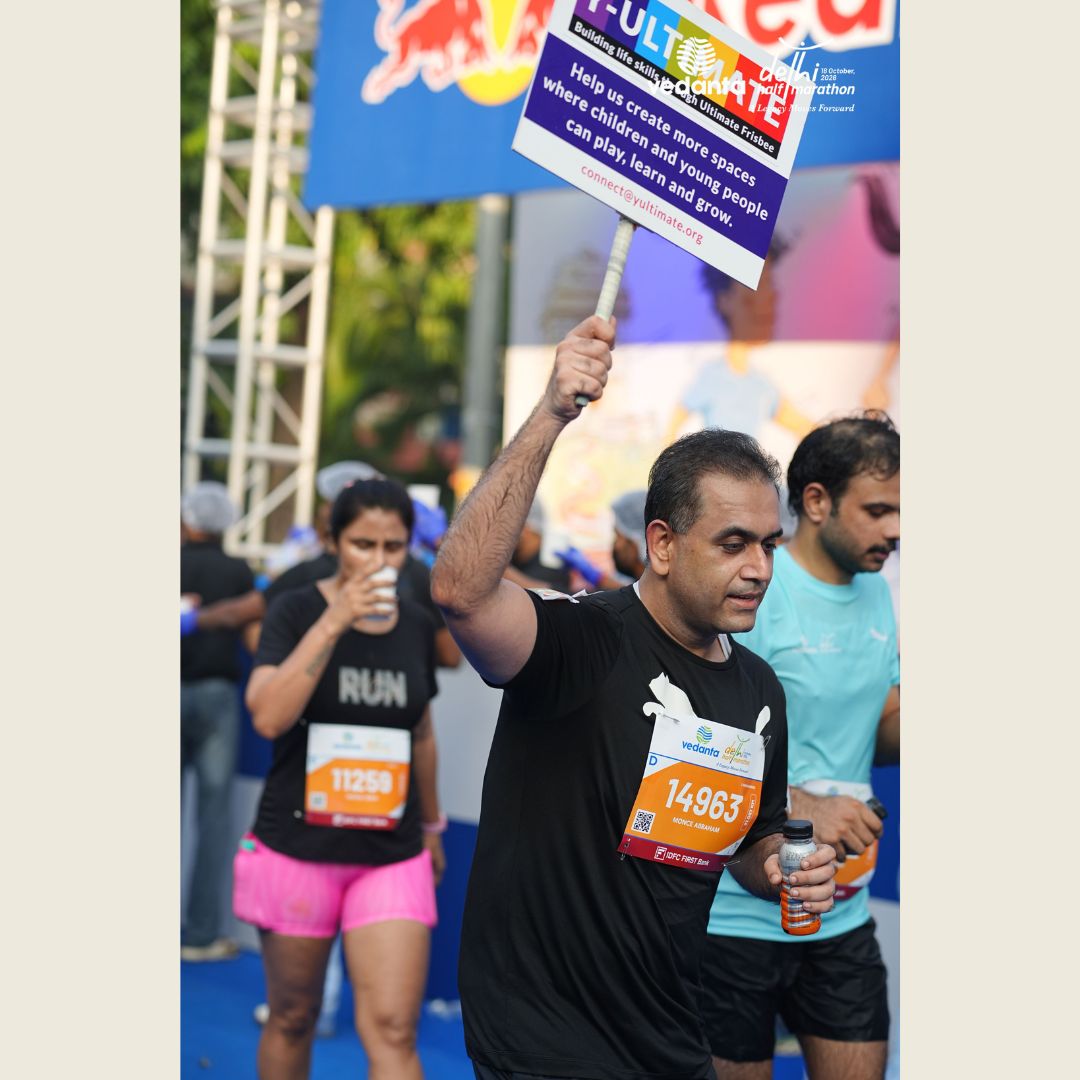
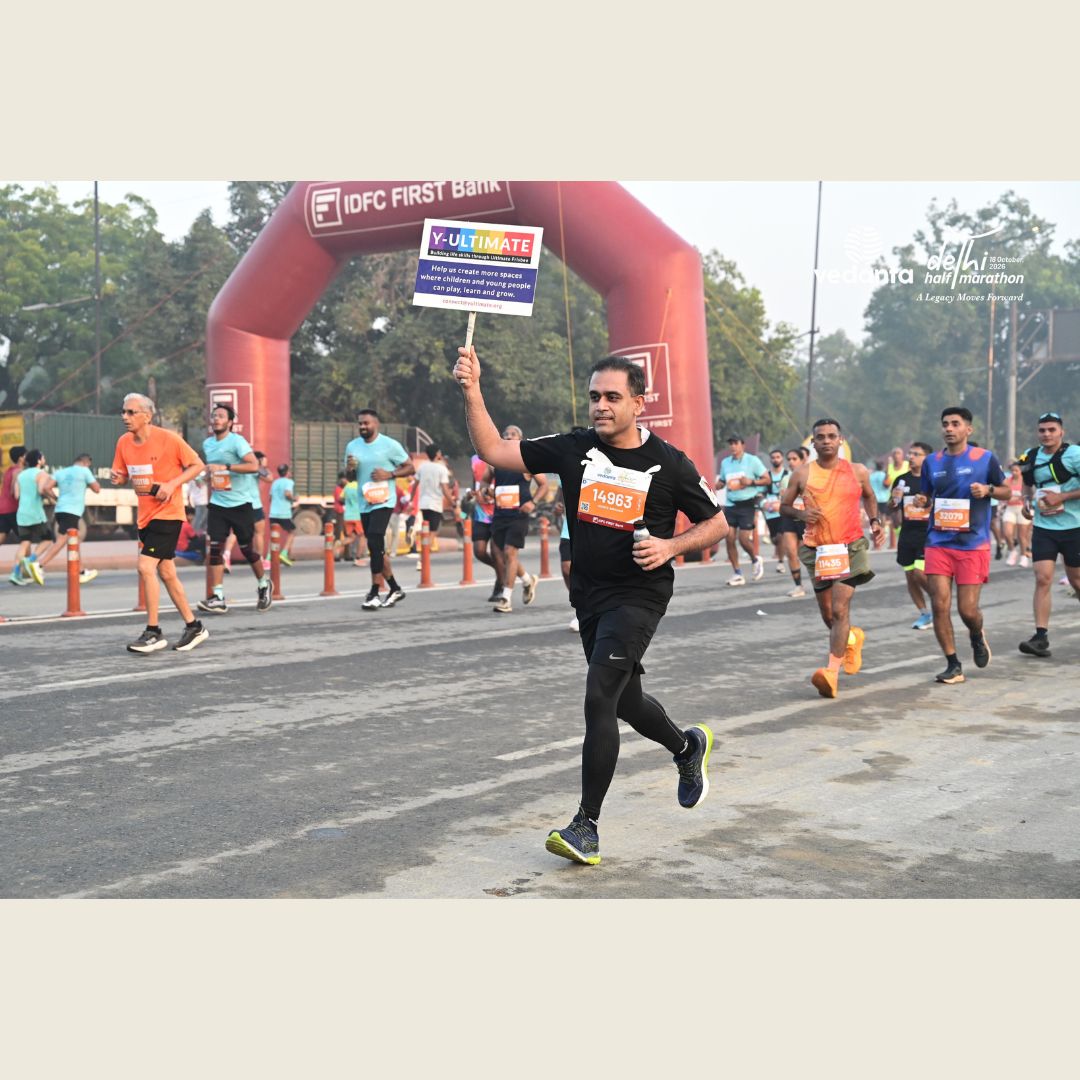
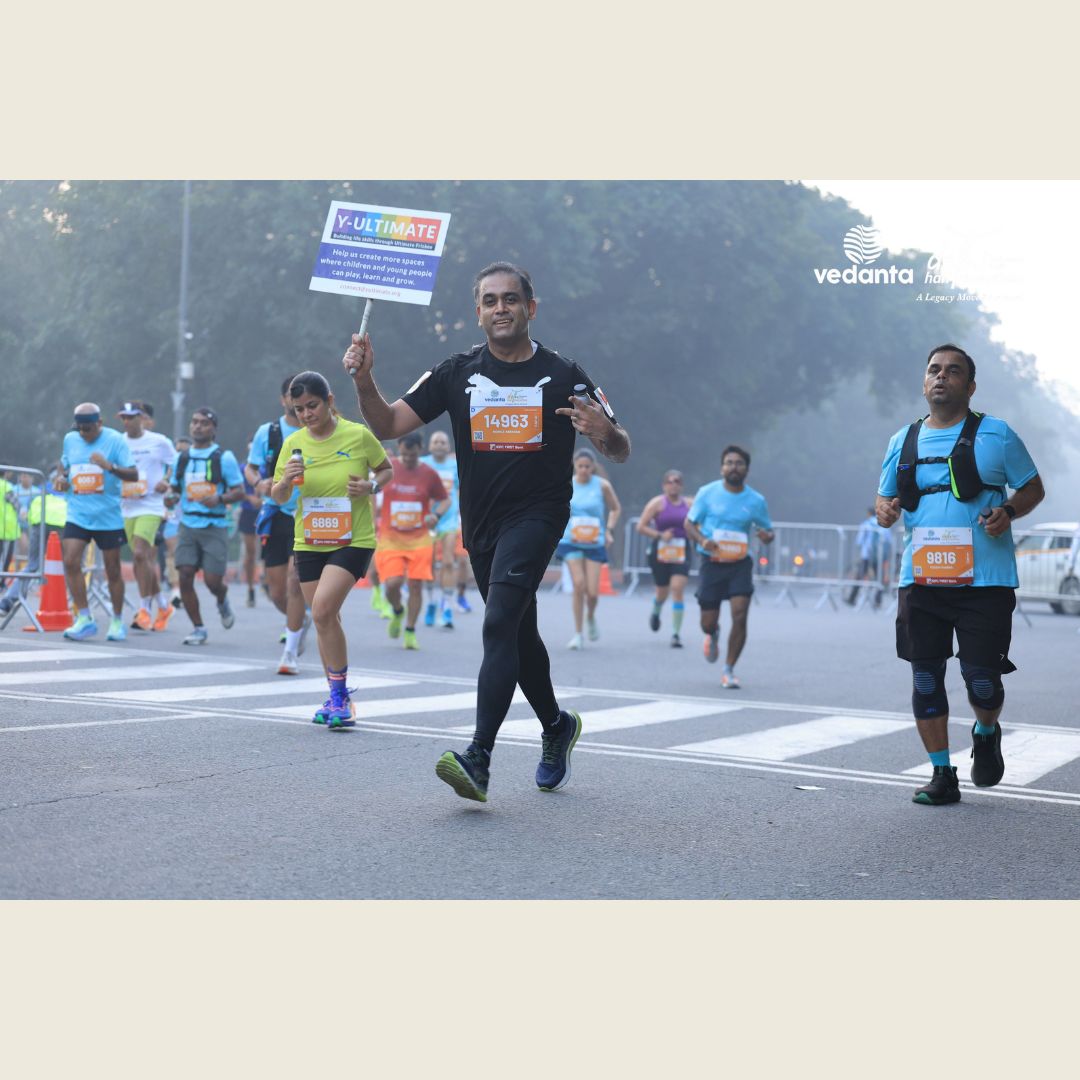
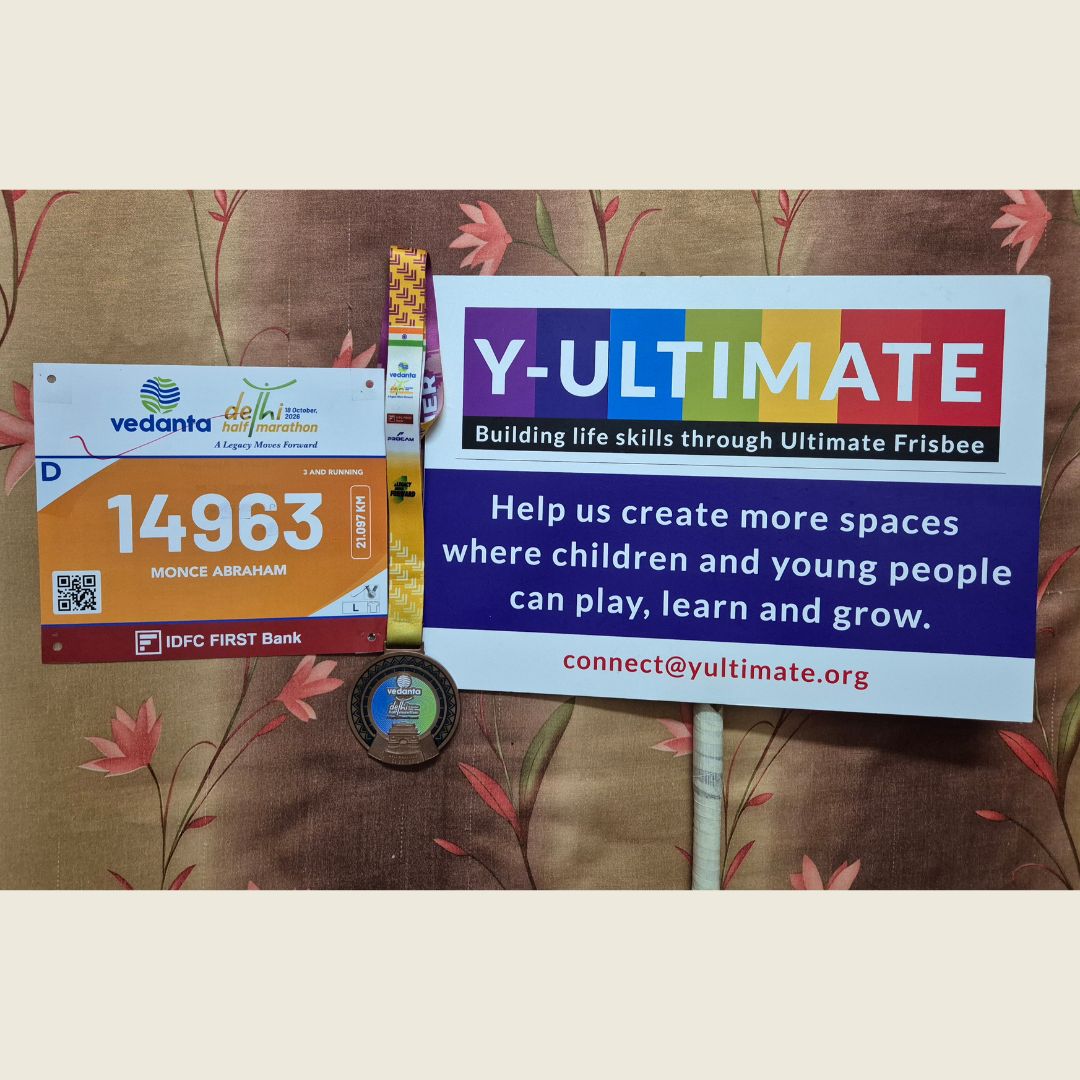
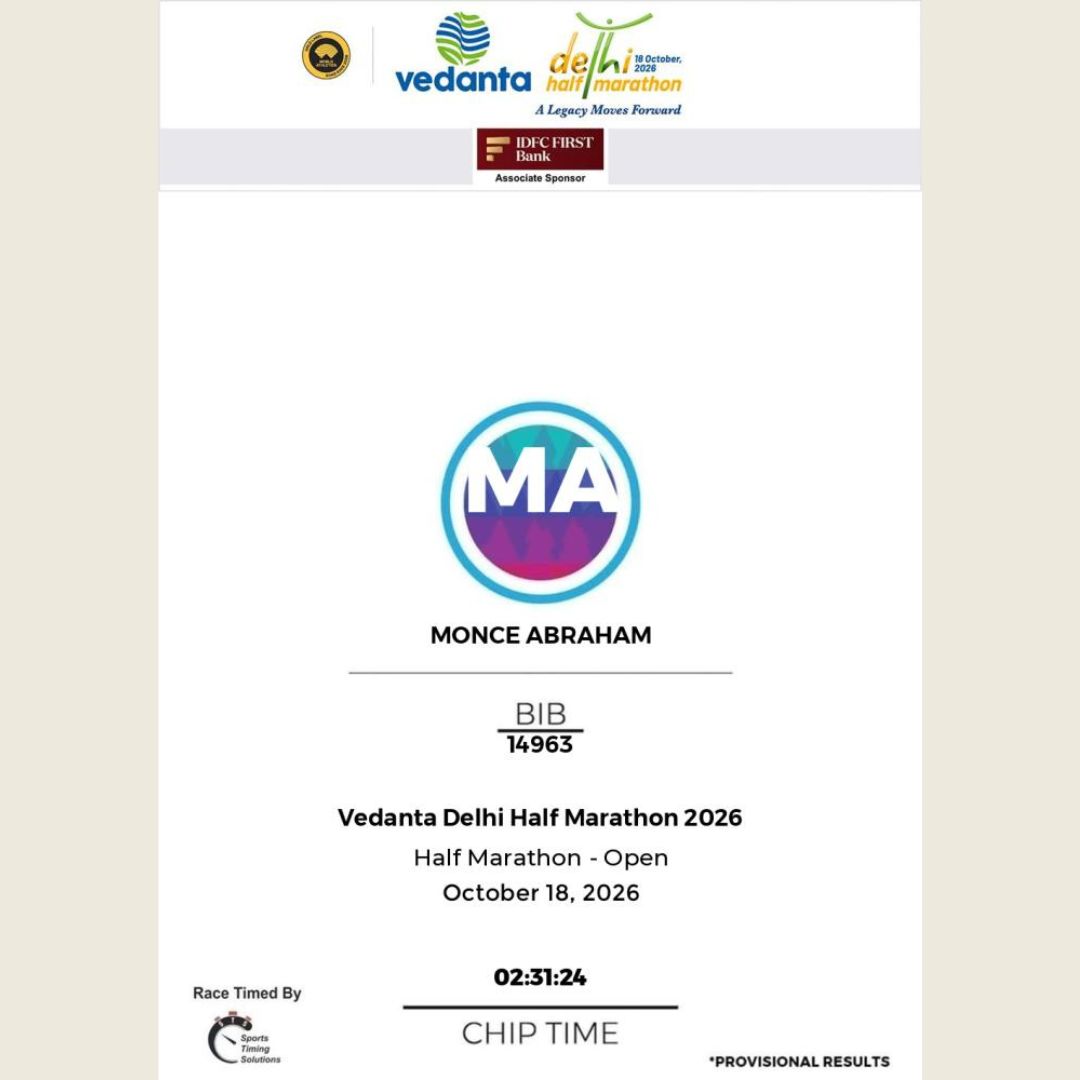
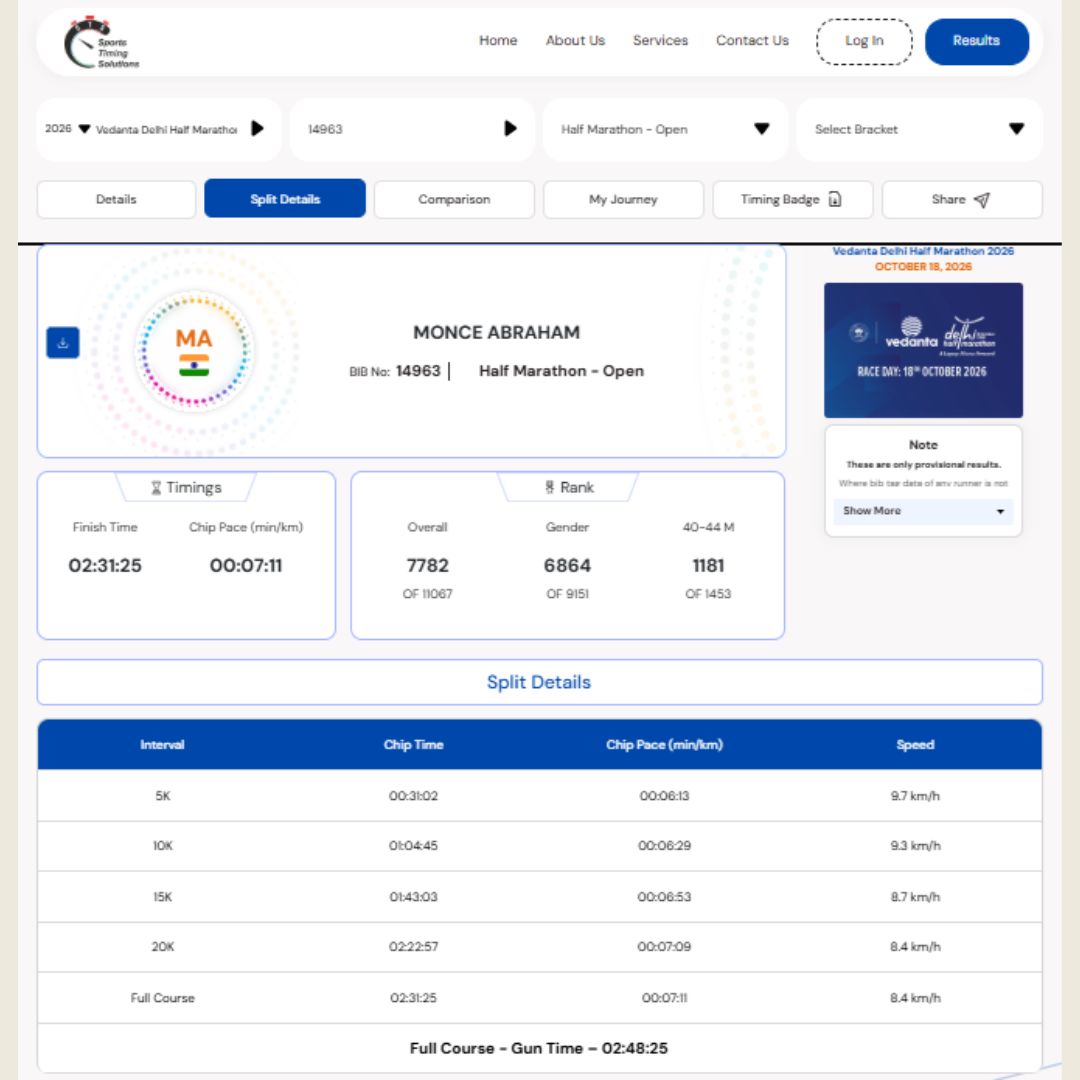
Managed to wrap up the Vedanta Delhi Half Marathon 2026 as an Ultimate Champion for Y-Ultimate with a finish time of 2:31:25.
Dedicating this run to all the wonderful kids and young champions at Y-Ultimate, as well as all the wonderful donors who chipped in large-heartedly to help add power to the Y-Ultimate Invitational, the annual flagship youth tournament, which creates equitable, low-barrier access to sport and brings together grassroots organisations from across India that use Ultimate Frisbee as a tool for development.
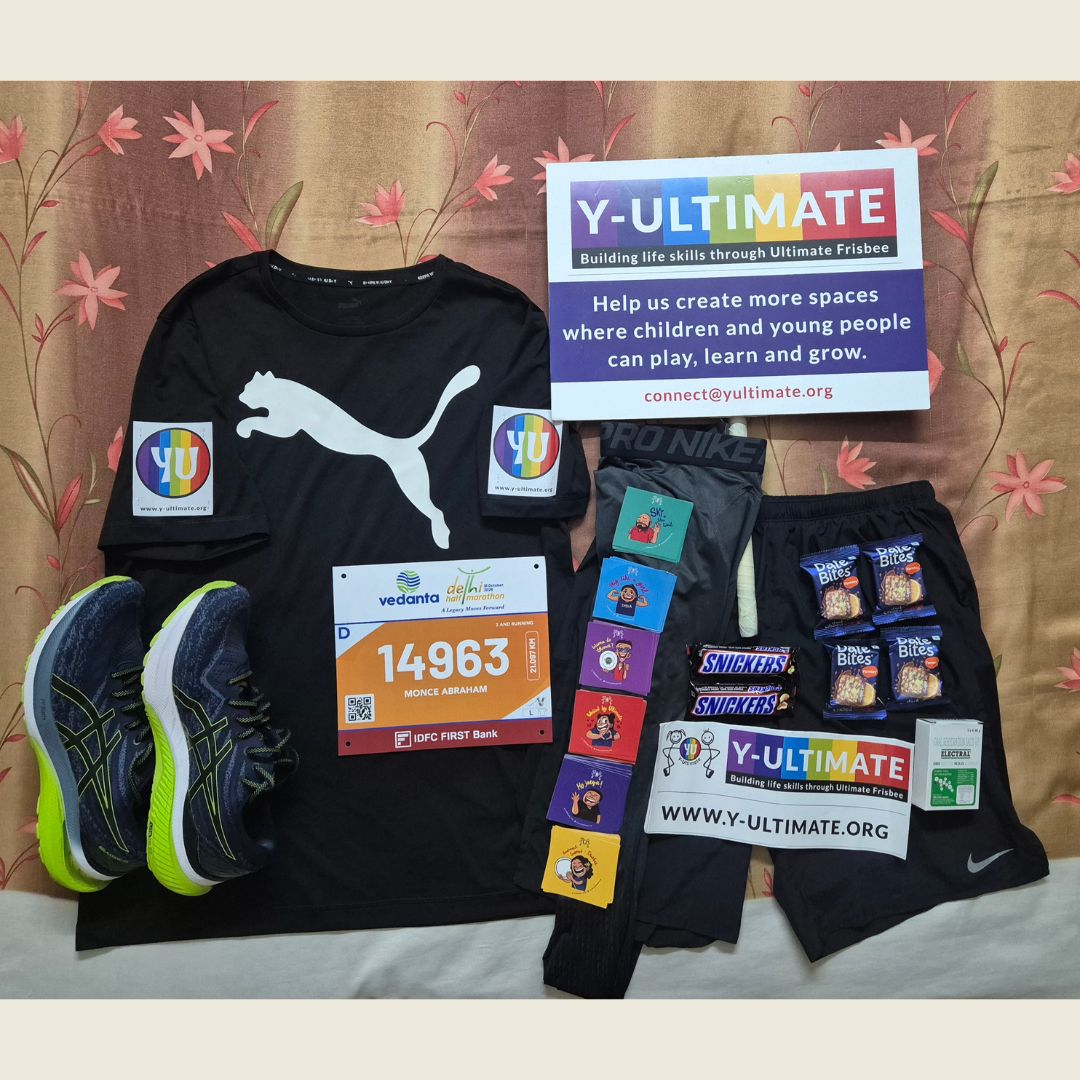
Pic 1: Day preceding the Half Marathon
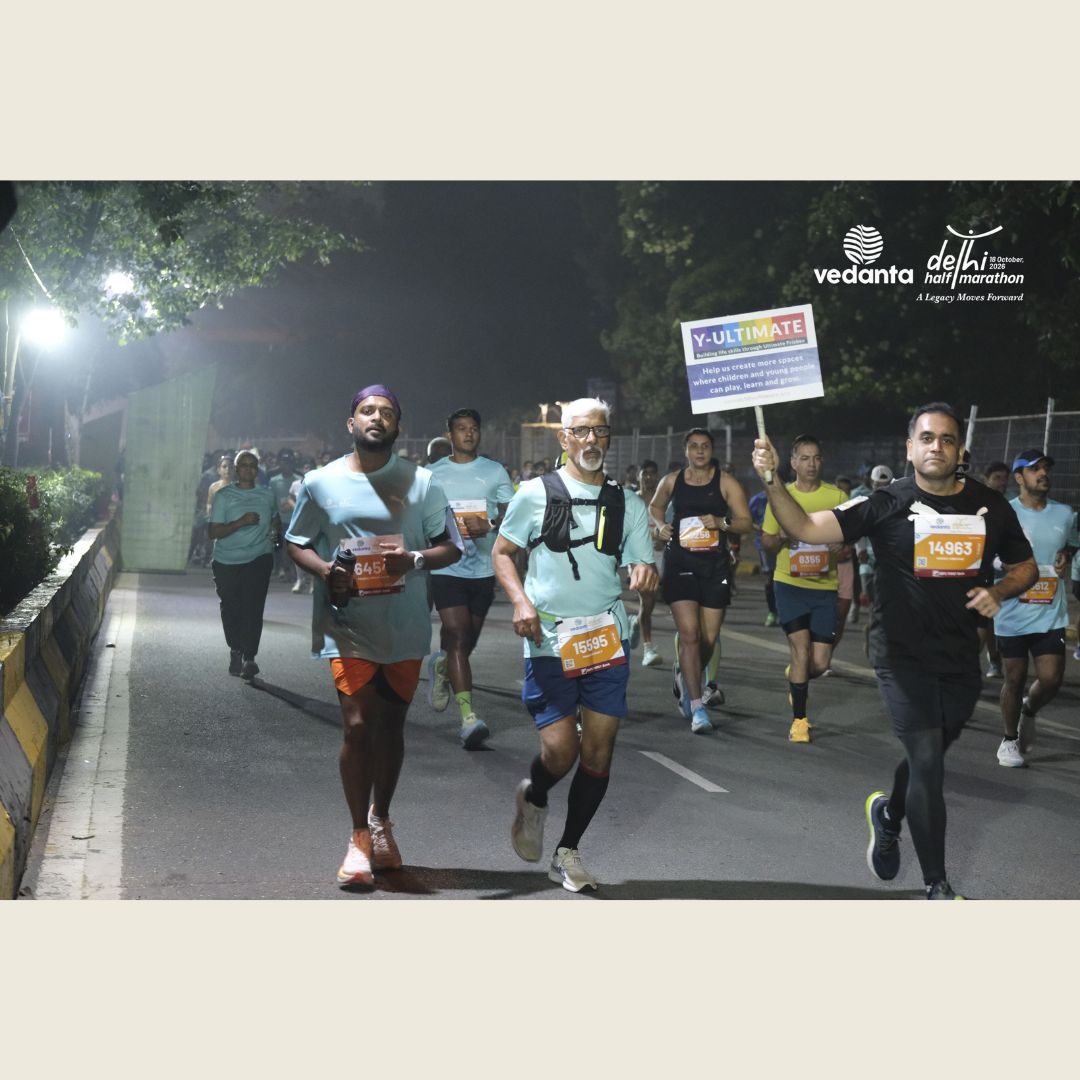
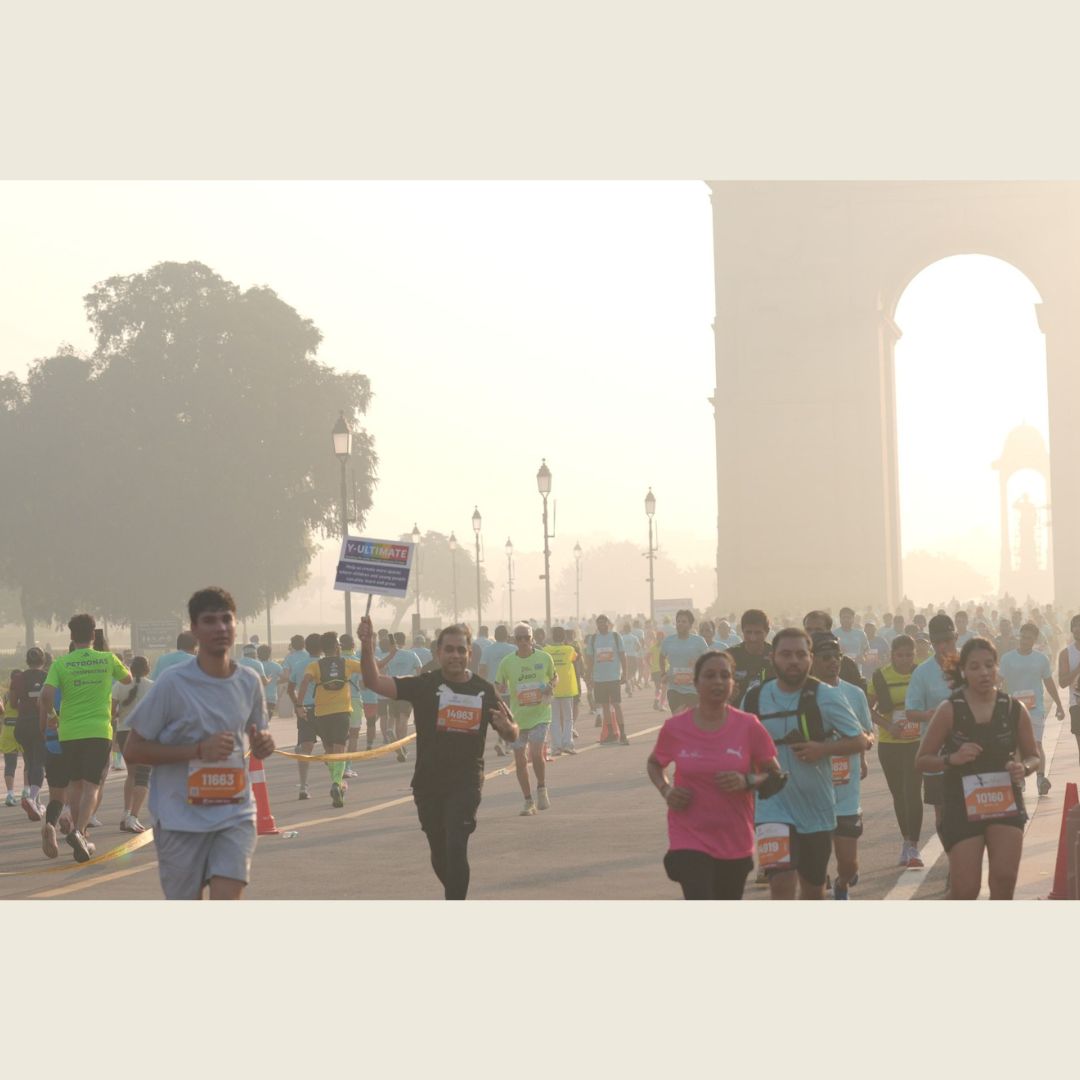
Pics 2-6: Official VDHM 2026 Photos
Pics 8-10: After earning the Finisher Medal